
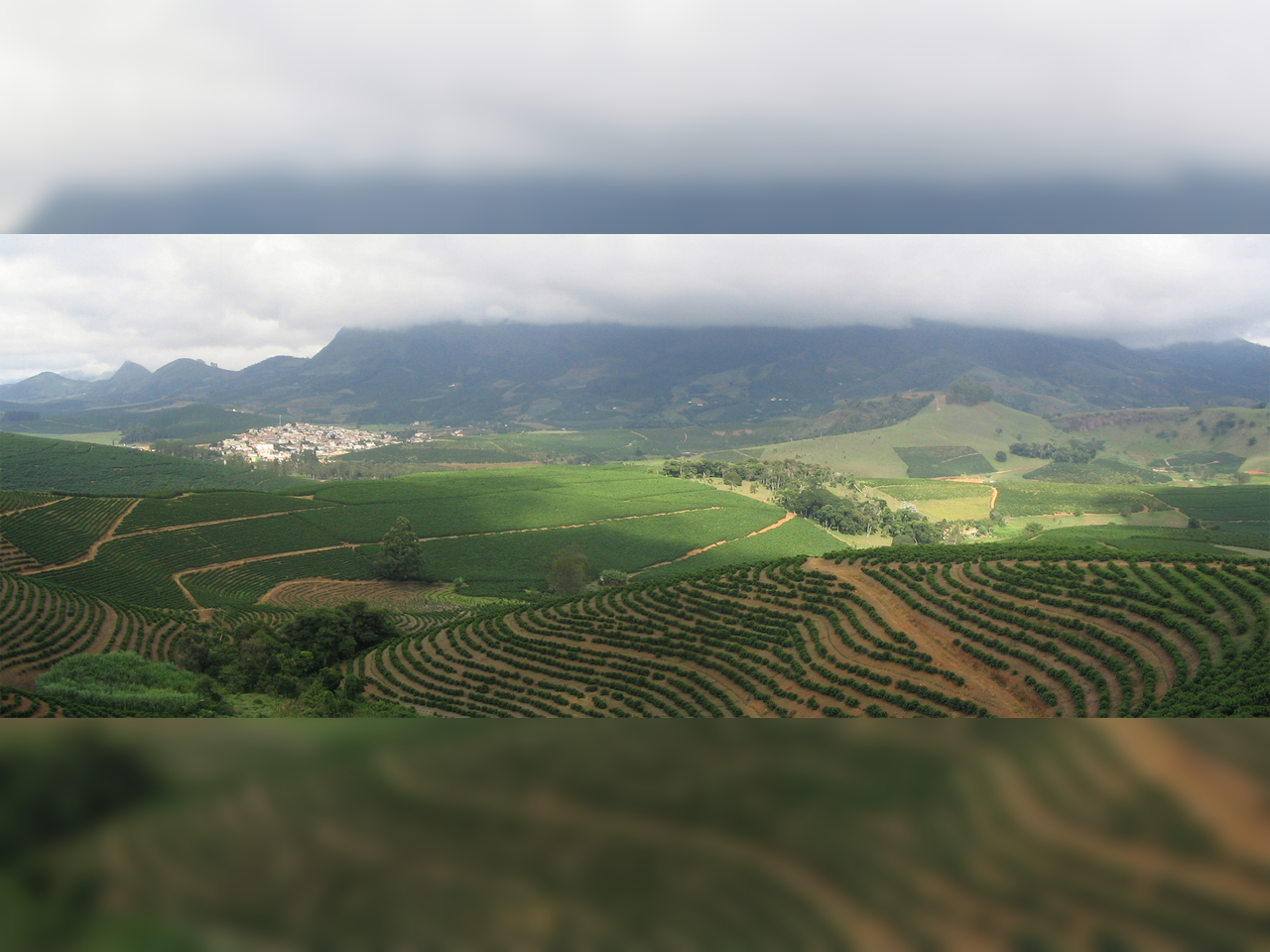
More bad news for coffee lovers, who are already feeling the pinch from coffee prices. Climate change is one reason why the prices have gone up.
An analysis from Climate Central, a global organisation that researches and reports on climate change, shows that the global rise in temperatures induced by climate change produced more coffee-harming heat across the world during 2021-2025, affecting coffee harvests in both quality and quantity. Coffee-growers from several countries are saying that they have a ringside view of climate change now, witnessing increasing heat, and less or erratic rainfall from close.
As a result, coffee prices have shot up across the world. Arabica and Robusta Coffee bean prices have almost doubled from 2023 to 2025, says the World Bank, on the basis of International Coffee Organization indicator price. Arabica coffee beans, which grow mainly in Brazil, Colombia and Ethiopia and cost US dollars 4.54 per kg in 2023, cost US dollars 8.47 per kg in 2025. The price of Robusta coffee beans, which grow mainly in Vietnam, Brazil and Indonesia, has gone up from US dollars 2.63 per kg in 2023 to US dollars 4.86 per kg in 2025.
Coffee prices hit an all-time high during February 2025.
Heat hits coffee production
Coffee requires a particular set of environmental factors to grow. It is sourced primarily from the “bean belt”, a stretch between the Tropic of Cancer and the Tropic of Capricorn.
The most important of the environmental factors are temperature and rainfall. Coffee cannot tolerate a temperature around 0° Celsius or very high heat. The ideal temperatures for coffee come in a short range: 23° Celsius and 28° Celsius.
The Climate Central analysis finds that several days with temperatures higher than 30° Celsius were added to the coffee-growing parts of the world because of climate change. The analysis ranked coffee-producing countries according to the average number of such days added every year between 2021-2025, though the number of days observed varied. The top five countries were: El Salvador, with 99 days added, Nicaragua, with 77 days, Thailand with 75, Indonesia with 73 and Côte d’Ivoire with 72.
Top countries severely affected
The top coffee-producing countries were severely affected with a high number of hot days measuring above 30° Celsius added, with a varying number of days observed, the analysis finds. Brazil, which produces 37 per cent of the world’s coffee, had 70 hot days added due to climate change. Vietnam, which contributes 16.5 per cent of the world’s coffee, had 59 such days added, Colombia had 48 and Ethiopia had 34 such days added respectively, and India, producing 3.5 per cent of the world’s coffee, had 30 such days added.
Kerala hardest hit in India
The analysis provides the average number of hot days measuring above 30° Celsius added to the coffee-producing states and union territories in India every year between 2021 and 2025, with days observed varying. Kerala had 65 such days added, Tripura 47, Telangana 44, Tamil Nadu 43 and Mizoram 40. Andaman and Nicobar, had 28 such days added among 56 observed days, which is a very high ratio.
“We are seeing two significant changes: increased temperatures and erratic rainfall,” says Sohan Shetty, who manages several organic coffee farms for Satyanarayana Plantations in the Western Ghats, a mountain range in western India that is a major coffee-growing region. “We see a reduction in soil moisture, even in shade grown coffee. This creates stress for coffee plants, which in turn triggers blossoms with erratic rains. So it’s quite common to see planters halting harvesting because part of their plants have blossomed,” he adds.
“We have had our coffee fruit drying up in the plants faster because of increased temperatures,” says Shetty.
Climate change is happening
Says Akshay Dashrath, co-founder and grower at the South India Coffee Company: “At Mooleh Manay, our farm, climate change isn’t something we’re predicting, it’s something we’re measuring every day. Our on-ground sensors show longer stretches of high daytime temperatures, warmer nights, and faster soil moisture loss than what coffee here has historically depended on.”
These changes are pressuring the system. “We’re seeing soils dry out more quickly, plants working harder to cope with heat stress, and biological activity in the soil becoming less stable,” says Dashrath. Even where rainfall totals look “normal” on paper, he says, the timing and intensity are changing, affecting the amount of water the soil actually holds and the way nutrients are used by the coffee plant.
“Coffee is a crop that thrives on balance, shade, moisture and cool recovery periods. As that balance narrows, farms like ours and our partner farms have to adapt fast through better shade management, soil health and water resilience. What’s happening at Mooleh Manay is a clear signal that climate change is already reshaping how coffee is grown in Kodagu,” Dashrath says.
The Climate Central analysis points at the efforts of smallholder coffee farmers and their organisations to build climate resilience and adaptation strategies, but says they need training and funding.