
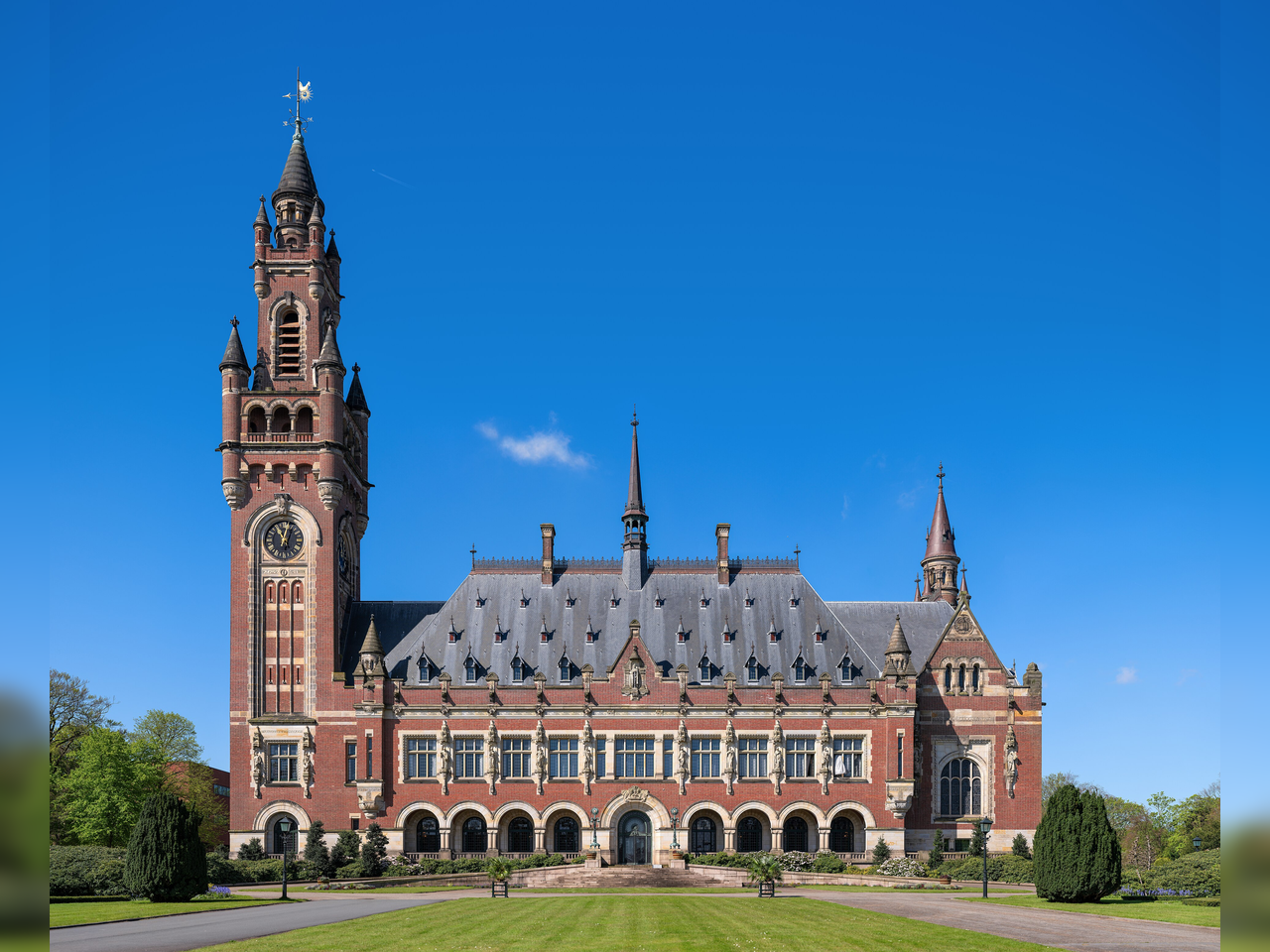

Up until a few years ago the middle of July was usually a good time to organise a garden party anywhere in The Netherlands. The promise of pleasantly warm, mild days through most of July meant a long outdoors afternoon was guaranteed.
This predictability of weather doesn’t exist anymore. July can now be anything from days of summer temperatures of 33 degrees to a sudden drop in temperature to 12 to tropical thunder storms. And a Saturday in the middle of July was no exception as after days of relentless dry heat, the sky darkened ominously by 9am and the threatened rain came later that afternoon and did its best to ruin a raucous garden party planned for that afternoon before the weather turned around abruptly.
However, garden party aside, most people were happy as rain fell that afternoon, ending a month-long dry spell in The Netherlands, where rain not so long ago used to be a constant presence.
This half a day mid-July spell of rain was a brief interlude and two days later the dry hot conditions started up again. After weeks of persistent dry conditions, The Netherlands was officially declared to be in a state of drought by early August. Steps to conserve water include limiting the watering of private gardens and not filling inflatable paddle pools for children or private swimming pools and not watering sports fields and other public spaces.
Smoke across the sky
Driving across Sicily — from Catania to Agrigento — just a day before the popular Ferragosto (August 15) celebration to visit the impressive ruins and UNESCO heritage site of the Valley of the Temples, we had our Google maps helpfully let us know Agrigento is also where several forest fires have been noted over the past few days. We didn’t see a forest fire while visiting Agrigento, but we did see dry crop land burning fiercely, the black smoke billowing across a large swathe of sky, as we drove back hours later that evening towards Catania.
Forest and cropland fires that are a result of extreme dryness and high temperatures are now frequent in many parts of France, Spain, Greece and Italy, and are a direct consequence of changing climate patterns and depopulating societies in much of Europe, which has led to the advancement of forest in sparsely populated internal areas; particularly true of Sicily and other regions of Italy.
Everywhere in Italy, forests are advancing and that is not good news, said Francesco Sottile, vice president of Slow Food Italy in a recent report. This is because unmanaged fragile areas are much more exposed to the spread of fires, as well as to landslides and mudslides, avalanches, and snow slides. Forestry and agriculture are essential safeguards to protect against the potentially devastating effects of fire and water: supporting them with active policies and economic resources, is a duty, as well as a necessity to avoid the significant expenses required to deal with emergencies.
Three categories of drought
And these forest fire emergencies are on the rise as Europe gets hotter each successive summer. According to the Royal Dutch Meteorological Institute (KNMI), the lack of rainfall combined with successive heat waves have aggravated the drought and drought-like conditions in Europe, with widespread consequences for agriculture and water management, unusually low water levels in rivers and severe forest fires, especially in Spain and France.
The KNMI classifies drought under different categories. If the drought is caused by less rain, it’s called meteorological drought. Agricultural drought occurs when agricultural crops grow poorly with little rainfall or dry soil due to a lack of water. The degree of agricultural drought is measured by how much it rains and how much evaporates over a certain period of time or how much water is still in the top layer of the soil. Finally, there is hydrological drought, when river drains and groundwater levels are low. This summer Europe has seen all three kinds of drought.
The drought has been the most extreme in France, the Benelux (the combined region of Belgium, The Netherlands and Luxembourg), the southeast of England and the southwest of Germany, areas that have long been under the influence of a sun-soaked high-pressure zone, hardly any rain and high temperatures.
Forest fire risks shot up
This year, the lack of rainfall and record high temperatures across Europe, often illustrated in the early days of the high temperatures on social media by people frying eggs on rooftop balconies and car bonnets in Paris and Amsterdam, have contributed to the current arid conditions.
Between April and June, there was less than average rain in large parts of the continent, from Portugal in the southwest to southern Finland in the northeast. Combined with successive heat waves, these conditions have aggravated the drought in Europe, with widespread consequences for agriculture and water management, unusually low water levels in rivers and severe forest fires, especially in Spain and France.
In The Hague — home to the International Criminal Court and the luminous Vermeer masterpiece, the Girl with the Pearl Earring — running parallel to its North Sea coastline lie the famous protected dunes. A Dutch natural treasure, the dunes stretch for miles, created naturally almost 5000 years ago by rising sea levels. The Hollandse Duinen National Park is a unique and striking landscape.
Every year in the first days of spring, the start of ‘breed season’ as foxes, rabbits and other dune wildlife and birds begin their season of birthing, dune wardens and rangers put out signs warning people not to be noisy in certain areas so as to protect the breeding wildlife and birds. This year another sign was put alongside the usual one reminding visitors to be quiet: a sign warning of forest fires in the dunes because of the extreme hot and dry conditions.
At the start of August, Dutch government guidelines to manage the heat and persistent drought conditions were updated to include prevention of forest fires ‘by avoiding smoking in forest and dune areas and if you must smoke make sure to stub out your cigarette butt very well and to avoid barbecuing in public areas’.
Fifth heatwave of the year
By the second week of August reports of the ‘approaching fifth heatwave of the year’ took over the news cycle in much of Western Europe. In The Netherlands, elderly residents were advised to remain indoors during the hottest times of the day and people were reminded of the importance of staying hydrated. Small stand fans were once again almost impossible to find in most shops, and restaurants and cafes posted shorter working hours as part of their heat management strategy.
Wildlife suffers
As climate change becomes a part of the new normal humans everywhere will learn to adapt and maybe five summers later air-conditioned European homes will become the norm and not the exception. And while we humans continue to use technology to make our lives more comfortable to dramatic changes that we have to a large extent inflicted upon ourselves, natural wildlife in these regions will continue to suffer and degrade. Recent studies by the WWF show how climate change is affecting wildlife in Europe, pushing more species northward to cooler conditions, breeding of new invasive species, like the oak processionary moth on native trees in the UK, and altered life cycle timings for frogs and other creatures.
With all the gloom and doom of climate change around us, we can give in to the hopelessness of it all or we can continue to be optimistic and celebrate the wildflowers that stubbornly bloom all the dry summer long through the cracks of cobblestones paving these old European streets under the relentless August sun.
Rupali Ghosh worked as a journalist in India before settling in Europe. She now works in trauma informed education in The Hague