
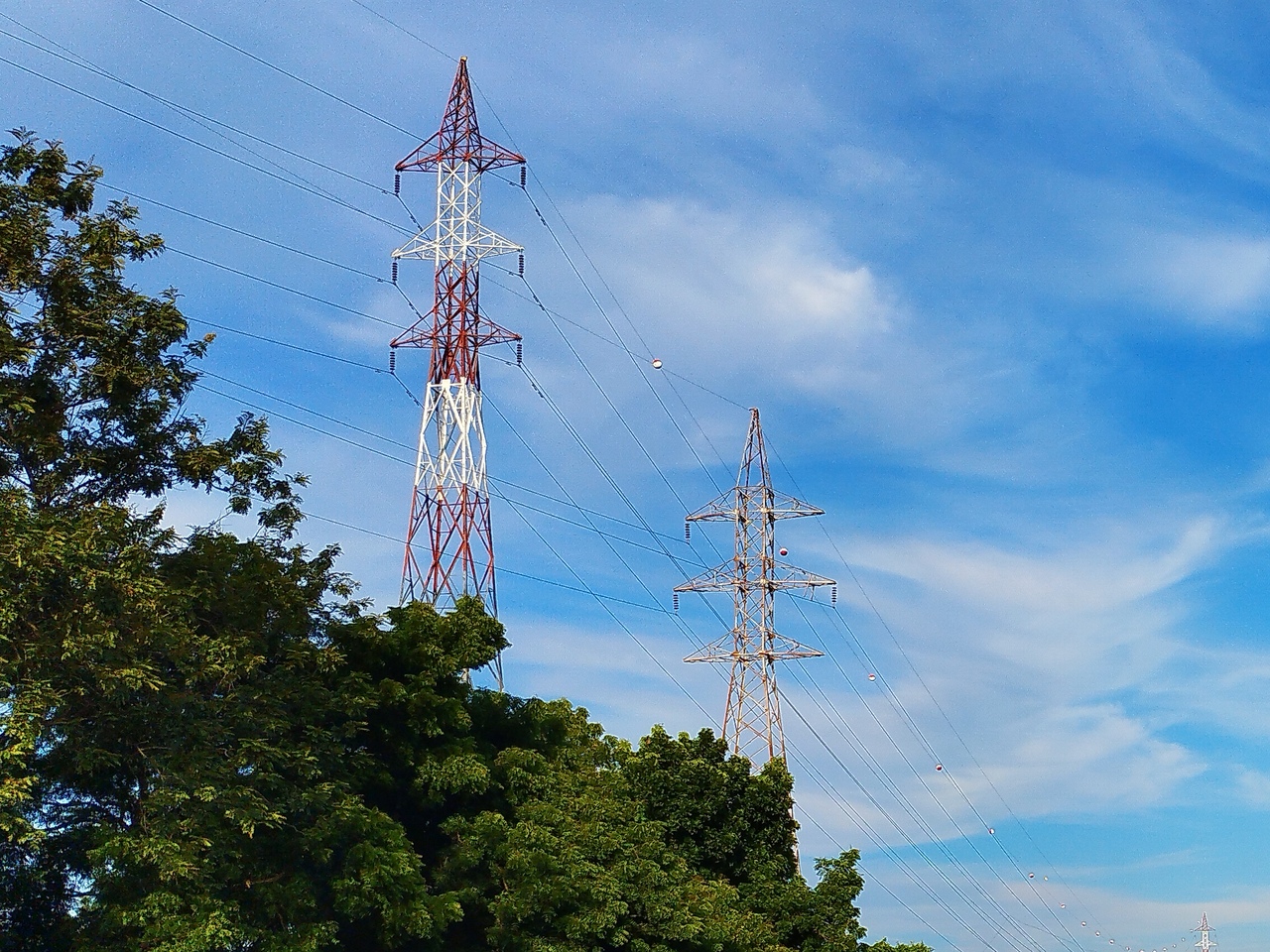

This is being dubbed “an electrifying start to the Bonn climate conference”.
The COP31 Presidency — COP (Conference of Parties), the major annual UN climate meeting, will be held this year in Turkey and Australia in 2026 — unveiled a new global goal on electrification on Tuesday, the second day at the ongoing UN Subsidiary Bodies (SB)64 climate conference in Bonn: to ramp up the share of final global energy consumption provided by electricity to 35% by 2035.
The Presidency also announced a significant global target to reduce energy consumption intensity in the building sector by at least 25% by 2035.
35 by 35
The electrification target was introduced as the centrepiece of COP31’s Action Agenda.
The goal outlined by COP31 President-Designate Murat Kurum, Turkey’s minister of environment, urbanisation and climate change, is ambitious as it aims to increase the share of final energy demand met by electricity from just over 20% today to 35% in 2035.
Kurum emphasised this target as a crucial step forward to aligning global efforts with the Paris Agreement goals and limiting global warming to 1.5°C above pre-industrial levels.
Focus on buildings
The Presidency urged a faster shift from direct fossil fuel use to clean electricity across buildings, transport and industry sectors as part of a broader set of non-negotiated initiatives and goals.
Kurum stressed that electrifying daily activities across sectors such as transportation, buildings and industries is central to protecting families and businesses from volatile energy markets. He emphasised that this transition would not only reduce emissions but also strengthen energy security and lower costs.
The Presidency pledged to establish a global coalition aimed at implementing actions necessary to achieve the electrification targets. The initiative is based by analyses from the International Energy Agency (IEA) and the International Renewable Energy Agency (IRENA).
Sharp waste reduction
Further commitments of Presidency include working closely with global partners such as Australia and commissioning special reports from the IEA. These reports will outline pathways to achieve the “35×35” target and examine the benefits of halving waste growth while improving circular waste management systems.
As part of the COP31 Presidency’s focus on zero waste, Kurum announced a goal to halve the growth of global waste by 2035.
He highlighted food waste as a critical issue, noting that it accounts for 10% of global greenhouse gas emissions, primarily through methane, a gas roughly 80 times more potent than carbon dioxide. The Presidency is also working on new initiatives addressing food security, climate education and adopting circular materials in manufacturing.
The COP31 Presidency views the “35% by 2035” electrification target as one of its defining priorities, underscoring its role in accelerating the global energy transition.
Shockproof the system
Kurum added that this approach is designed to mitigate shocks to energy systems, shield economies and households from rising energy costs and maintain momentum in reducing emissions.
By making electrification a practical priority for COP31, the Presidency aims to drive significant progress in achieving energy sustainability and economic resilience globally.
Civil society cautiously optimistic
Most of the civil society members, present in Bonn, cautiously welcomed the intiative. “It sounds good but do not know details enough to develop a firm opinion,” said one.
Reacting to the announcement, Fernanda de Carvalho, WWF Global Climate and Policy Head, said: “WWF welcomes this electrification goal in the Action Agenda and hopes it can help shape the negotiations ahead. But for it to support delivery of the Paris Agreement, it must clearly accelerate the shift away from fossil fuels. More electricity alone is not the answer if it is still powered by coal, oil and gas. Developing countries will also need finance and technology support to make this transition fair and effective.”