
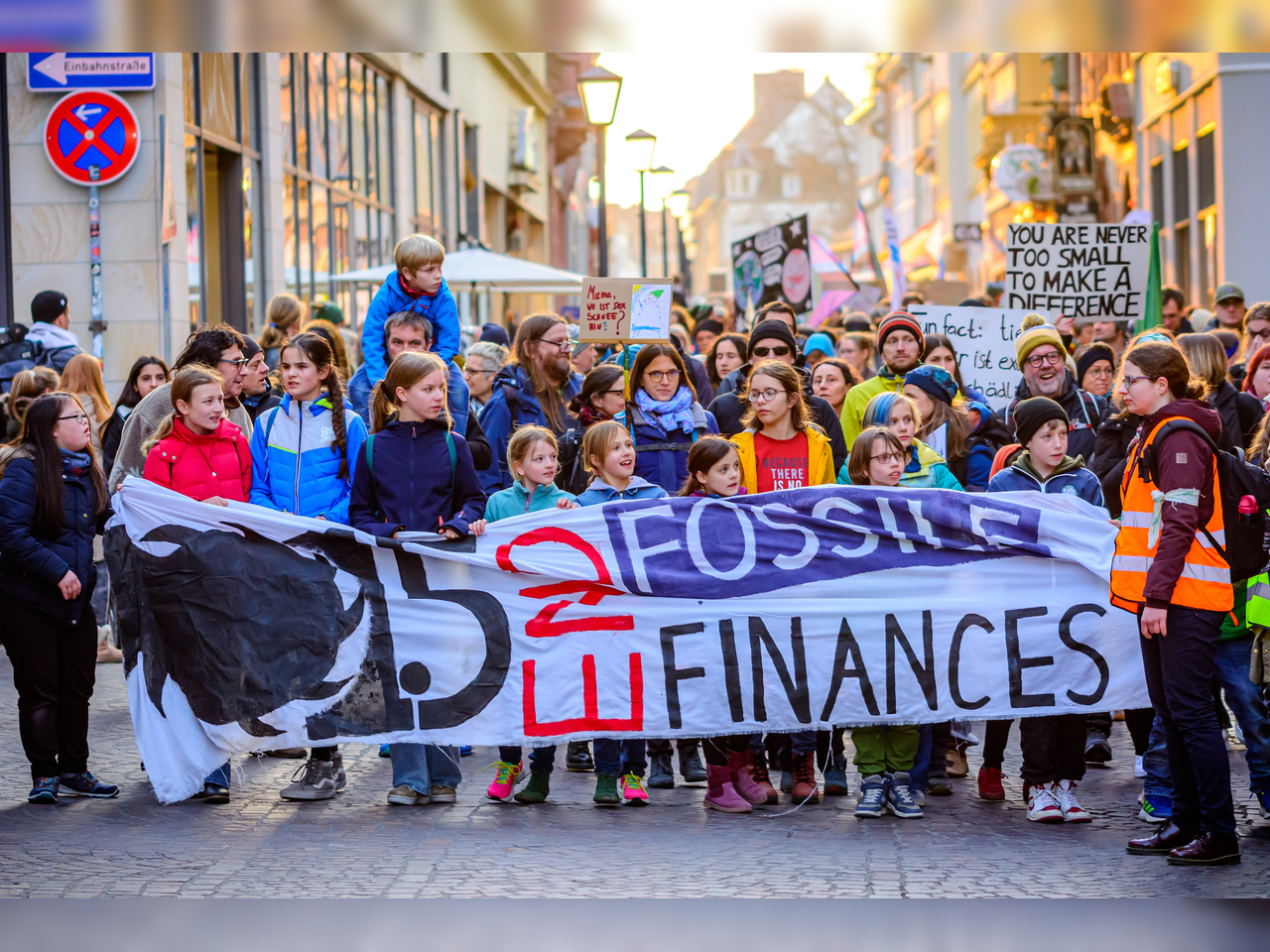
Yesterday it was politics in Bangladesh and Nepal, tomorrow it may be climate change in India.
A recent survey of youth in India by the environment magazine ‘Down To Earth’ claims that more than 26 per youth are angry about the climate change. Almost 88 per cent of the respondents feel the climate is changing around them and 67 per cent said that these changes were affecting their daily lives and lifestyles.
The survey was conducted during October-November 2025 among 300 people aged 16 to 25 years. ‘Down To Earth’ linked the eco-anxiety expressed by the youth to their anger at the world and the rising number of protests by the Gen Z in different parts of the world in recent years.
“The youth are angry. There are waves of protests sweeping the world, and the protesters are predominantly young,” says Richard Mahapatra, managing editor of ‘Down To Earth’. While the reasons range from regime change to inflation, a survey by Centre for Science and Environment (CSE) and ‘Down To Earth’ magazine finds eco-anxiety is increasing among the youth – they are also protesting the increasing degradation of environment and natural resources and the world’s laxity in combating climate change,” he adds.
The world is young
This is significant in a world that is predominantly young, with about half the global population aged under 30 years. “The World Bank notes that every fifth person is at risk from climate disasters. Today’s world has the highest ever young population – so exclusion from development and future uncertainties threaten youth the most,” Mahapatra adds.
The survey by CSE and DTE finds that the young world is asserting itself against the lack of basic survival means and the ineffectiveness of the current political system to respond to their needs. The most important trigger behind most protests is economic security, the survey says.
Youth anger has been evident for some time. With oppressive regimes increasing rich-poor divide, a world made uncertain by big tech and climate change has triggered their anxiety.
The recent youth uprisings in Bangladesh and Nepal point at that trend. Kenya and Indonesia have also seen Gen Z uprisings.
Young Indians feel “helpless”
The ‘Down to Earth’ survey has 57 per cent of the respondents describing themselves as “anxious” in their circumstances. Many declared they felt “helpless”, “frightened and sad”, “angry” or “betrayed” .
Asked about changes associated with climate change, 67.2 per cent respondents identified “warmer temperatures”, 48 per cent “extreme rainfall/floods”, 67.2 per cent “unseasonal warm weather/rains”, 37.7 per cent “extreme cold” and 39.4 per cent “foggy/smoggy days”. Change in “food quality” was identified by 35.8 per cent and water shortage by 28.5 per cent.
Almost 82 per cent of the respondents said that they are worried that climate change can affect their future.
Mahapatra points out that the survey shows how entrenched eco-anxiety has become. “Those born in the past 25 years may never have experienced a ‘normal’ climate. From heatwaves to cyclones to floods, the planet’s pulse has changed and young people are feeling it more than ever.” Experts suggest that a person born in and after February 1986 may not have experienced even a single month with normal temperatures.
Increasing inequality adds to climate vulnerability
With inequality in income and wealth rising since 1990, the CSE report mentions estimates that claim two-thirds of the world population lives in countries where inequality has increased. “Any abrupt event, like an extreme weather incident, can push them below the poverty line,” the CSE says.
“The proportion of people willing to participate in demonstrations has increased to its highest levels since the 1990s, and the number of protests has also risen in this period,” the CSE report quotes UNICEF as saying. UNICEF has referred to a 2021 survey on 10,000 children and young people, aged 16 between 25 years, in 10 countries, conducted by Caroline Hickman and others.
“Our analysis says that these protests are not steered by any chosen leadership. Rather, they are fuelled and sustained by various developmental issues. The youth – Food the world currently has 2.4 billion young people between the ages of 10 and 29 – steer these themselves,” says Mahapatra.