

During the 1950s and 60s, people, globally, became concerned about the quality of their surrounding environment with series of environmental disasters happening around the world; from mercury poisoning in Minamata to smoke pollution in London to massive oil spill in Torrey Canyon.
India woke up to the concern couple of decades later when one of the biggest of its kind industrial disaster, at global benchmark, happened in Bhopal in December 1984 that had killed about 15000, 25000 according to some estimates, and affected about 5,70,000 people.
The incident, apart from flagging off concern and awareness within people, had also pushed the legislatives to come up with number of green acts in the country.
Green regulation before Bhopal
Laws are born out of social, economic and political purposes. The first law for protecting nature was implemented in India during the British Rule. In 1905, amidst the din of the revolutionary movement following the partition of Bengal, the ‘Bengal Smoke Nuisance Act’, the first environment act in country and probably the second oldest in the world, was promulgated to preserve the marvel of the white architecture of Victoria Memorial; that was supposed to be built the year after, in 2006.
Post British era, India plunged into a series of troubles — communal riots, the partition, external wars -many of which are still being quiet rampant. Hence, the free India has never been able to pay appropriate attention to matters relating to environment; the lack of global awareness did not help.
Five-Year Plans did not consider the green imperatives
The Five-Year Plans, the bedrock of designed growth in the country, were implemented mainly with a view to trigger economic prosperity of the country. The Second Five-Year Plan, designed for industrial development, paid no attention to the harmful consequences that nature would have to face with the growth of industry. Hence, the plans remained unconcerned about protecting nature in particular; and overall, hardly there was any political or administrative awareness to the necessity of preserving it, until the beginning of 1970s when our the then Prime Minister Indira Gandhi participated in the ‘United Nations Conference on the Human Environment’ at Stockholm; the first of its kind in global level.
After returning from Stockholm, Indira Gandhi took lead in formulating the first environment act in free India, Water (Prevention & Control of Pollution) Act, 1974, and subsequently the Air (Prevention & Control of Pollution) Act, 1981. The central and state pollution control boards were set up under the water act.
Since then, propped up by the massacre in Bhopal and other subsequent environment triggered incidents in country, a series of environment related acts were born. The responsibility of enforcing these acts was given to range of administrative bodies; from police to local authorities to district administrations, chief inspector office of factories, fisheries Department and so on; over and above the department of environment and state pollution control boards who happen to be the main enforcing authorities asper the prevailing acts.
Laws galore in last five decades
The state pollution control boards in the country, as stated, are the main pillars to undertake a comprehensive programme for the prevention, control or abatement of pollution from different sources. Over the last five decades, a range of laws got added to its repertoire.
The responsibilities of state pollution control boards include advising the state government on any matter concerning the prevention, control or abatement of pollution; to collect and disseminate information relating to pollution and the prevention, control or abatement; to encourage, conduct and participate in investigations and research relating to environment; and likewise. The agency also has the power to issue regulatory order in form of closure, disconnection of electricity and likewise against the units violating environmental norms.
State boards operate under a set of green acts ranging from Water Pollution Act, Water (Prevention & Control of Pollution) Cess Act, 1977 targeting to increase revenue; Air (Prevention & Control of Pollution) Act, 1981 to control air pollution generated from the industries; and, finally the Environment (Protection) Act, 1986; an umbrella act that was set up in response to the Bhopal disaster.
As the hazard from waste gradually grew bigger in 80s, the Hazardous Waste (Management & Handling) Rules, 1989 came into being as well as Hazardous Chemicals Rules, 1989; Liability Insurance Act, 1991; Bio-Medical Waste (Management & Handling) Rules, 1998; Recycled Plastics Manufacture and Usage Rules, 1999; Environment (Protection) (Second Amendment) Rules, 1999 regarding standard of fireworks; Noise Pollution (Regulation and Control) Rules, 2000; the Municipal Solid Wastes (Management & Handling) Rules, 2000;
Implementation poor, despite judicial support
While India, over the last five decades, has come up with a series of acts, many feel one of the best green legal architectures globally, but on ground implementation continues to be one of the worst in the world. The records, pan India, vindicate the poor implementation as exemplified by National Crime Records Bureau (NCRB) statistics over the years.
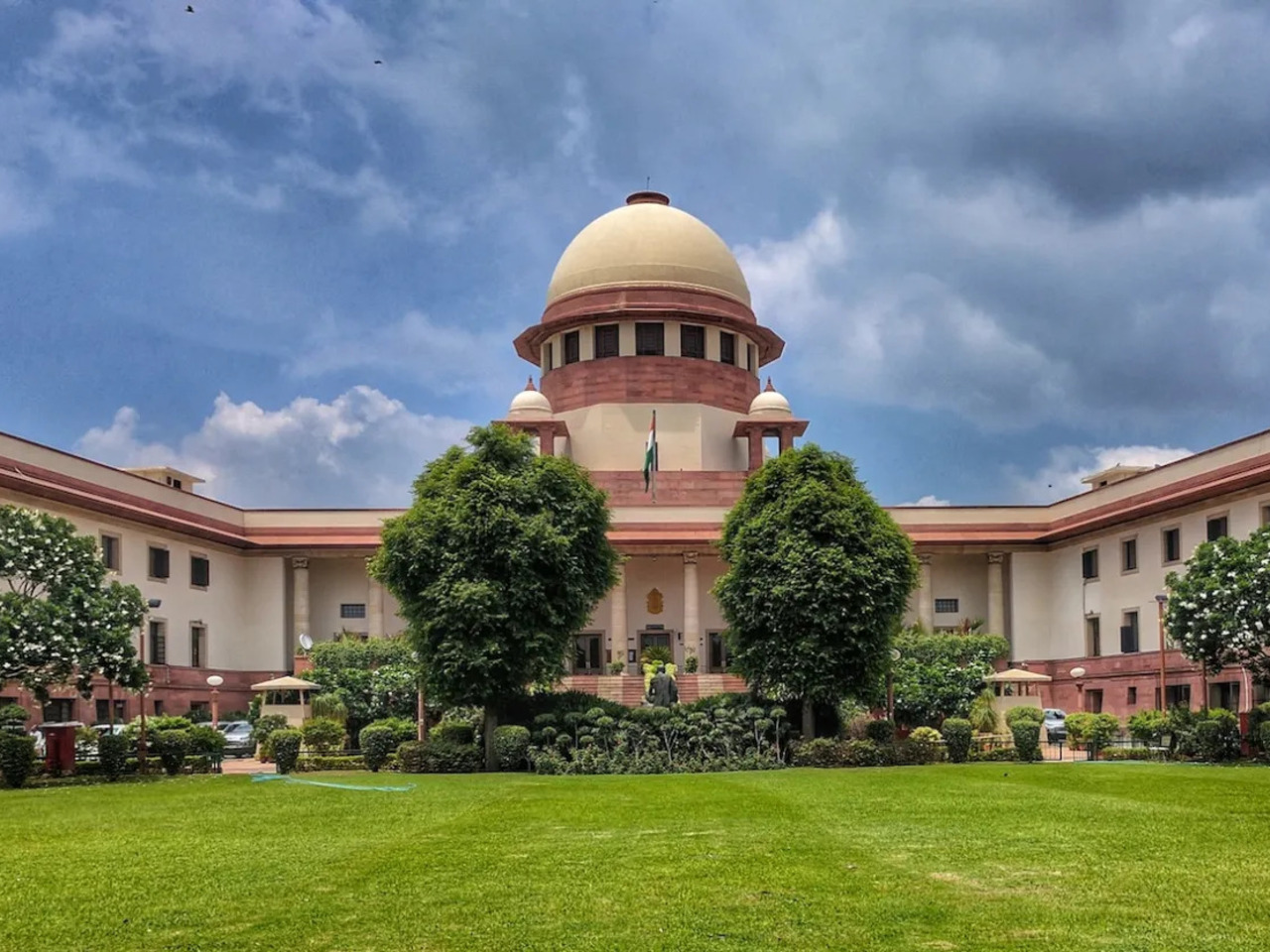
Judiciary did play a major role in combating the trend with several landmark judgements, both in Supreme Court and High Courts, paving the way. The M.C. Mehta vs. Union of India litigation, and judicial orders issues in its context directing the closure and relocation of tanneries causing pollution and penalising individuals, industrial units as well as governmental bodies responsible for Ganga pollution, stand tallest; while there are several pioneering pronouncements in high courts including the late 90s noise pollution related verdict in Calcutta high court which forms the cornerstone of national noise rules years later.
Justice Kuldeep Singh of Supreme Court and later Justice Bhagwati Prasad Bandyopadhyay of Kolkata High Court played a pivotal role in ensuring effectiveness of the environmental laws; underlining the fact that living in a healthy and pollution-free environment is our civil right and basic claim, and diversion in any so-called development work must be penalised for the pollution that it causes.
But active judiciary alone cannot ensure the proper implementation; and the proper implementation of laws depends on a disciplined administration coupled with social consciousness. However, the responsibility of triggering such consciousness needs to go hand in hand with legal implementation of the laws as well as political and administrative will.
Politicians, and administrations, evade responsibility
it is seen that the political parties, those occupying power in free India, often try to bypass and avoid the implementation of the green norms promulgated by them; as unholy nexus with the violators and vested interests playing key deterrents. Often, they are even found not abiding by the various directives of the Supreme Court and the High Courts.
Of late there have been efforts to amend key environment laws regarding ‘Environment Impact Assessment’ or ‘Forest Conservation Laws’ in Parliament to dilute their action; in the name of ease of carrying out business. Clearly the implementation of environmental norms in India, even now, remains a concern.
Clearly India needs an urgent course correction, political; administrative and social, in terms of maintaining environmental virtues, if we want to ensure that future generations will not breathe in a gas chamber or drink toxic water as a routine.
Biswajit Mukherjee, a retired Chief Law Officer in West Bengal Pollution Control Board, is an environment and social activist; and, a national award winner on environment