
On August 6, various union government departments and agencies have published several environment, climate change, public health and related social sectors news releases those stand important for the present and future of the country. The Plurals has collated the key one’s for you.
Ministry of Power announced Electrification of Transport and other sectors
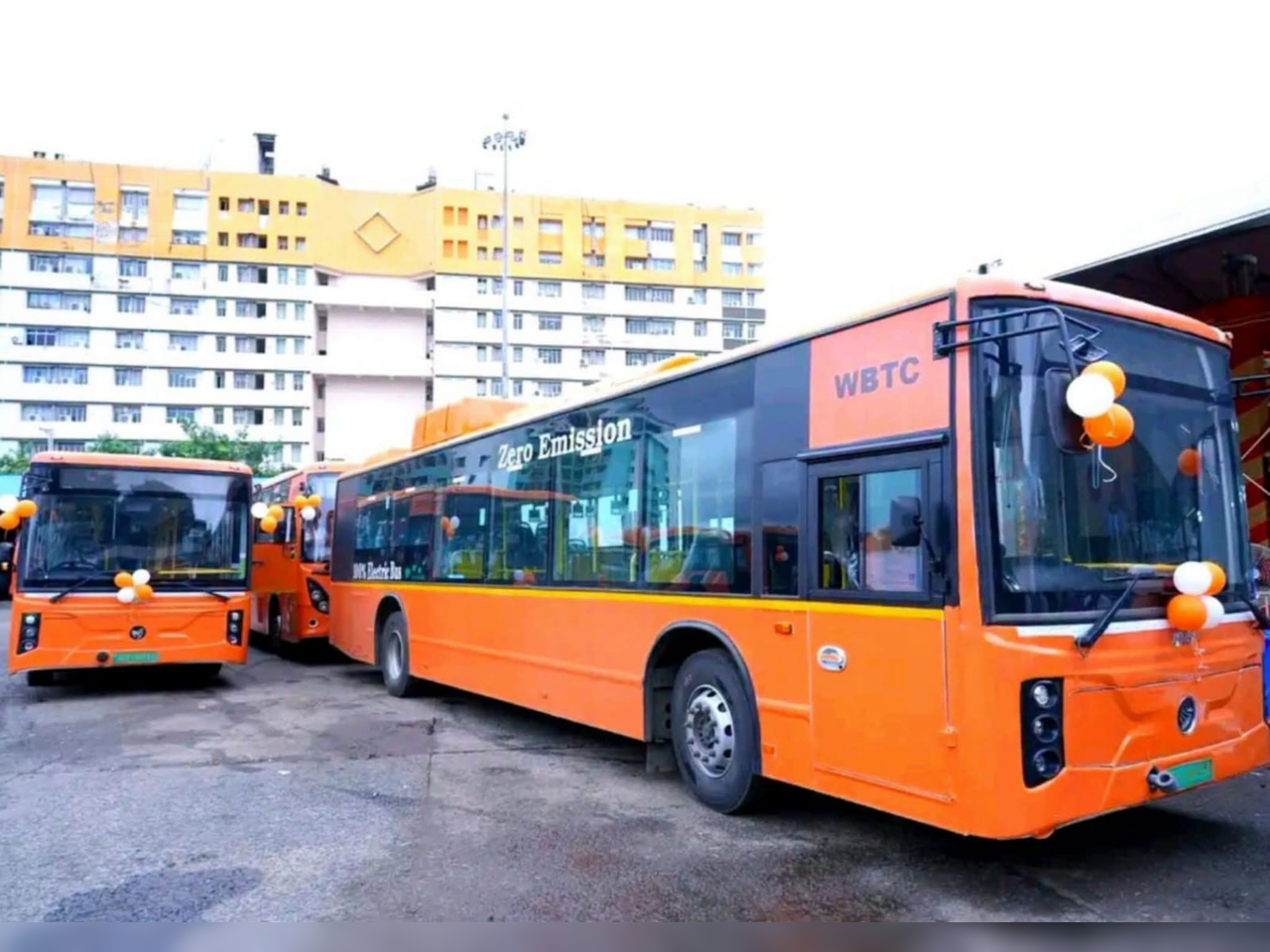
The Government is facilitating electrification and adoption of efficient electricity-based technologies in various end-use sectors through sector-specific programmes of the concerned Ministries/Departments. In the transport sector, the Ministry of Power has issued the Guidelines for Installation and Operation of Electric Vehicle Charging Infrastructure, 2024 and the Guidelines for Installation and Operation of Battery Swapping and Charging Stations, 2025 to facilitate development of Electric Vehicle (EV) charging infrastructure across the country. Electric mobility is also supported through the PM E-DRIVE Scheme of the Ministry of Heavy Industries and the PM-eBus Sewa Scheme of the Ministry of Housing and Urban Affairs.
Detailed report link
https://www.pib.gov.in/PressReleasePage.aspx?PRID=2295696®=48&lang=1
Ministry of Environment, Forest and Climate Change considered PARLIAMENT QUESTION: Effective use of water in AI Data centres
Artificial Intelligence (AI) Data Centres do not, per se, require Environmental Clearance (EC)under the Environmental Impact Assessment (EIA) Notification, 2006, as amended. However, AI Data Centres proposed as part of a “Building and Construction Project” under Item 8(a), i.e. built up area exceeding 20,000 sq. m or a “Township and Area Development Project” i.e. covering an area ≥ 50 ha and /or built up area ≥ 1,50,000 sq. m under Item 8(b) of the schedule to the EIA Notification, 2006 require prior EC. The EC for such a building project is granted by the State Environment Impact Assessment Authority (SEIAA) at the State/UT level.
During the appraisal of such building projects for grant of EC, various aspects such as availability of freshwater particularly in water-stressed regions, water balance report, generation of greywater, recycling and reuse of greywater are duly considered and appropriate environmental safeguards are prescribed. Further, the use and discharge of water and greywater during the construction and operation of AI Data Centres is regulated under the Water (Prevention and Control of Pollution) Act, 1974, and the Air (Prevention and Control of Pollution) Act, 1981. Compliance with the provisions of these Acts, including the prescribed standards for water use and wastewater discharge, is monitored by the concerned State Pollution Control Board (SPCB) or Pollution Control Committee (PCC), as applicable.
Detailed report link
https://www.pib.gov.in/PressReleasePage.aspx?PRID=2295675®=48&lang=1
Ministry of Jal Shakti implemented Projects under Namami Gange Mission
Under the Namami Gange Mission-II (NGM-II), a total of 70 sewerage infrastructure projects (STPs) were implemented during the year 2025, including the 25 sewerage treatment plants commissioned.
Under Namami Gange Programme, 4,263 MLD sewage treatment capacity has been generated till June 2026. As per CPCB report on Polluted River Stretch (PRS) 2025, the following information about Ganga main stem pollution is available:
Detailed report link
https://www.pib.gov.in/PressReleasePage.aspx?PRID=2295528®=48&lang=1
Cabinet approves GOBARdhan, India’s National Unified Scheme for Compressed Biogas, with an outlay of Rs.23, 731crore
The Union Cabinet, chaired by the Prime Minister Shri Narendra Modi, has approved GOBARdhan, the National Circular Bioenergy Scheme, with a total outlay of Rs.23,731 crore.
GOBARdhan marks a defining moment in India’s clean energy journey. It will transform the country’s abundant agricultural residue, cattle dung, press mud, municipal organic waste and other biomass resources into clean fuel, organic manure, rural income and national economic value.
The Scheme will be implemented from FY 2026-27 to FY 2035-36 and will establish Compressed Biogas as a major pillar of India’s future energy mix.
Through assured demand, remunerative and stable pricing, capital assistance, pipeline infrastructure, credit support and technology development, GOBARdhan will provide the strong and predictable framework required to take India’s CBG sector to national scale.
The Scheme aims to increase domestic Compressed Biogas (CBG) production nearly ten-fold, mobilize large-scale private investment and create a vibrant circular bio economy across the country.
Detailed report link
https://www.pib.gov.in/PressReleasePage.aspx?PRID=2295480®=48&lang=1