
On August 3, various union government departments and agencies have published several environment, climate change, public health and related social sectors news releases those stand important for the present and future of the country. The Plurals has collated the key one’s for you.
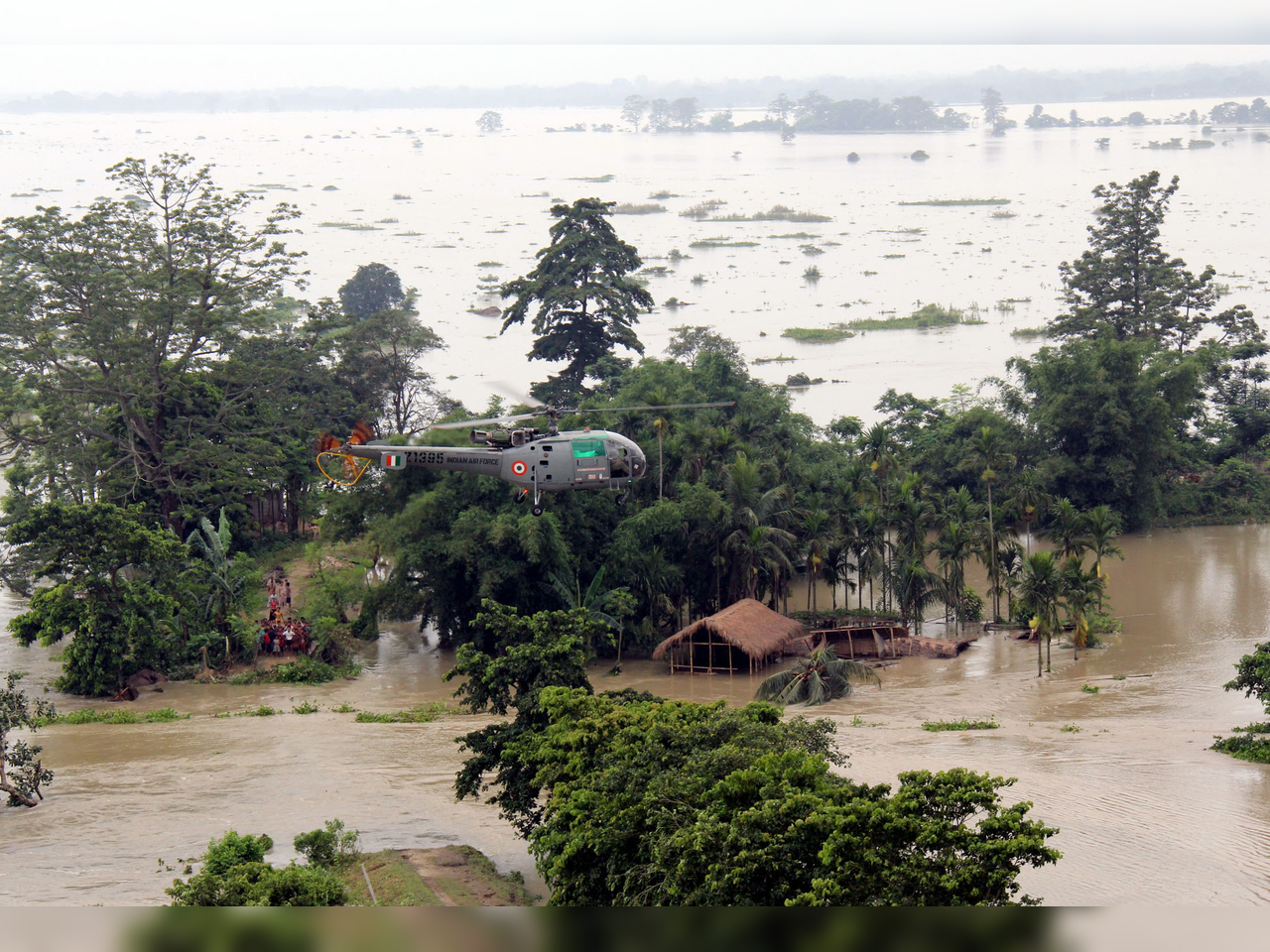
Ministry of Jal Shakti announced Flood Mitigation Measures in the North Eastern Region
Flood management and anti-erosion schemes are formulated and implemented by the concerned State Governments as per their respective priorities. The Union Government supplements the efforts of the States by providing technical guidance and promotional financial assistance for management of flood management in critical areas through the Centrally Sponsored Scheme, namely, the “Flood Management and Border Areas Programme” (FMBAP), which provides central assistance to States for works related to flood control, anti-erosion, drainage development, anti-sea erosion, etc. Since the inception of the programme up to March 2026, central assistance amounting to Rs.2,536.96 crore has been provided under FMBAP for 263 flood management projects in the North Eastern States, including Sikkim.
The Central Water Commission (CWC) issues short-range flood forecasts with a lead time of up to 24 hours to the concerned State Governments at identified locations. CWC also issues inflow forecasts for identified reservoirs to facilitate proper reservoir regulation. Presently, flood forecasts are issued by CWC at 360 stations (159 Inflow Forecast Stations and 201 Level Forecast Stations) in accordance with the Standard Operating Procedure. This includes 53 stations (15 Inflow Forecast Stations and 38 Level Forecast Stations) in the North-Eastern region. These forecasts are disseminated through the dedicated website, namely, https://ffs.india-water.gov.in .
Detailed report link:
https://www.pib.gov.in/PressReleasePage.aspx?PRID=2293766®=48&lang=1
Ministry of Environment, Forest and Climate Change announced that Glaw Lake becomes Arunachal Pradesh’s First Ramsar Site; India’s Ramsar Sites tally reaches 101
Union Minister for Environment, Forest and Climate Change, Shri Bhupender Yadav, today announced the designation of Glaw Lake in Arunachal Pradesh as India’s 101st Ramsar Site, marking a significant milestone as the State gets its first Ramsar Site. In a social media post on ‘X’, the Minister described the development as an important step for biodiversity conservation, water and climate security, and sustainable livelihoods.
Detailed report link https://www.pib.gov.in/PressReleasePage.aspx?PRID=2294036&reg=48&lang=1
Ministry of Education released report on Mental Health of Students
National Crime Record Bureau (NCRB) collects data on suicides from police recorded suicide cases. Comprehensive analysis of the data related to the accidental deaths and suicides in the country is published in the yearly Accidental Death & Suicide in India (ADSI) reports by National Crime Record Bureau (NCRB). As per ADSI Report, causes of student suicides include family problems, love affairs, illness, and failure in examination. Year wise, State wise, Gender and Age group wise details of student suicides are available in the ADSI reports which are accessible at https://ncrb.gov.in/accidental-deaths-suicides-in-india-year-wise.html
To address the issue of suicide, the Government is taking multi-pronged measures and provides psychological support to students, teachers and families for mental and emotional well-being to avoid incidences of suicide
Detailed report link https://www.pib.gov.in/PressReleasePage.aspx?PRID=2294038&reg=48&lang=1
Ministry of Housing & Urban Affairs highlighted Climate Resilient Cities & Urban Heatwaves
As per the 12th Schedule of the Constitution of India, urban planning falls within the purview of the State Governments and Urban Local Bodies (ULBs)/Urban Development Authorities at the city level. Government of India supplements the efforts of States through schematic interventions, advisories, guidelines, financial assistance and technical support for strengthening the urban planning ecosystem.
As per inputs received, National Disaster Management Authority (NDMA) has formulated ‘National Guidelines for Preparation of Action Plan-Prevention and Management of Heat Wave’ in 2019. As per the guidelines, cities should carry out vulnerable assessments to identify major factors contributing to urban heat island effect and include suitable mitigation measures in their Heat Action Plans (HAPs). Heat Action Plans (HAPs) have been prepared by 23 states, 195 districts and 64 cities.
Further, National Disaster Management Authority has issued an advisory on “Protecting Informal Workers during Heatwaves in Indian Cities”. The Advisory outlines measures relating to health, safety and gender-sensitive adaptation. States and Union Territories have been recommended to incorporate the needs of street vendors and other outdoor workers into Heat Action Plans through measures such as shaded vending zones, hydration facilities, cooling centers, flexible working hours and timely dissemination of heat alerts –
Detailed report link