

Since gaining independence in 1947, India has made significant strides in healthcare, including respiratory medicine. However, the journey has been marked by both achievements and persistent challenges. From battling tuberculosis (TB) and air pollution-related diseases to managing the COVID-19 pandemic, respiratory care in India has come to a full cycle. Yet, disparities in access, affordability, and quality of care (rather, the lack of it) remain as gray areas.
Tuberculosis treatment dominated early years
Post-independence, India faced a high burden of infectious respiratory diseases, particularly tuberculosis (TB). The National Tuberculosis Control Program (NTCP), launched in 1962, was a landmark step, but implementation was slow due to limited infrastructure and funding. In that era, most respiratory care was urban-centric, and rural areas had to rely on rudimentary healthcare.
Global TB report 2024 has pointed out that, an estimated 0.32 million people died due to tuberculosis in India during 2023; roughly 37 deaths per hour. If this is a statistic even after six decades of institutional initiative to control the TB; it is well understood how poor was the situation in country immediately after independence.
Pulmonary diseases like asthma and chronic obstructive pulmonary disease (COPD) received little attention in the early era, as infectious diseases dominated public health priorities. Basic diagnostics such as X-rays and sputum tests were available in cities, but rural populations had minimal access.
Economic liberalization in 90s prodded private healthcare
The 1990s saw India’s economic liberalization, which brought private-sector growth in healthcare. Multinational pharmaceutical companies introduced better asthma and COPD medications, though affordability remained an issue. The Revised National Tuberculosis Control Program (RNTCP) in 1997, adopting the WHO-recommended DOTS strategy, improved TB detection and treatment success rates.
However, industrialization and urbanization led to rising air pollution, increasing respiratory illnesses like bronchitis and lung cancer. The lack of pollution control policies worsened public health, particularly in cities like Delhi. Meanwhile, private hospitals introduced advanced diagnostics (CT scans, bronchoscopy), but government hospitals lagged, creating an urban-rural divide.
Technology advanced; but affordability remained a concern
The last decade saw significant technological advancements. Portable spirometers, telemedicine, and AI-assisted diagnostics improved respiratory care accessibility. Government initiatives like Ayushman Bharat (2018) aimed to provide health insurance, yet coverage gaps persisted.
The COVID-19 pandemic (2020–2022) exposed India’s respiratory care fragility. While urban centres rapidly scaled up ICU beds and ventilators, rural areas struggled with oxygen shortages and inadequate infrastructure. The crisis accelerated innovations like home-based oxygen concentrators and digital health platforms, but affordability remained a barrier for the poor.
Despite attention, air pollution related morbidity rising
Post-COVID, respiratory health has gained policy attention. The Pradhan Mantri Ayushman Bharat Health Infrastructure Mission (PM-ABHIM)aims to strengthen critical care, including pulmonary services. Air quality monitoring has improved, yet pollution-related diseases continue to rise.
TB elimination efforts have intensified, with newer drugs and vaccines in development. However, drug-resistant TB remains a challenge. Non-communicable respiratory diseases (COPD, lung cancer) are rising due to smoking and pollution, requiring better preventive strategies.
The repeated reports of Global Burden of Disease (GBD) study have pointed out that air pollution is a significant cause of death in India. The State of Global Air 2024 report had attributed high proportion of air pollution linked deaths in India out of a global figure of 8.1 million deaths in 2021. Incidentally In 2019, air pollution was linked to 1.67 million premature deaths in India.
Lack of equity stalks current respiratory health care
Despite progress, stark inequalities persist. The Inequality is most prominent in the urban versus rural divide; while cities have advanced pulmonology centres, the rural areas lack even basic spirometry. There have been economic disparities as well with high treatment costs often push low-income groups towards informal healthcare, delaying diagnosis and compromising treatment quality. Moreover, there has been wide gender gap vis-à-vis respiratory treatment with women with respiratory diseases often face neglect due to socio-cultural barriers.
While central government schemes like Ayushman Bharat have expanded healthcare access, out-of-pocket expenses remain a major burden for many Indians. State-level health initiatives, though crucial, often lack realistic targets and sufficient penetration into rural and marginalized communities, limiting their impact. Generic medicines through Jan Aushadhi Kendras and central drug distribution programs have improved affordability, but inconsistent pricing, quality control issues, and supply chain gaps persist.
Strengthening state-central coordination, enforcing stricter drug regulations, and ensuring last-mile delivery are essential to make respiratory care truly affordable and equitable.
Telemedicine and artificial intelligence play a key role now
India has made significant strides in adopting innovative solutions for respiratory care. Telemedicine has revolutionized access to specialist consultations, particularly in remote and underserved regions. The integration of AI and wearable technologies has enhanced early disease detection through smart diagnostics and monitoring tools like AI-based imaging.
Additionally, the growth of local manufacturing capabilities has enabled the production of affordable critical care equipment, including ventilators and oxygen concentrators, reducing dependence on imports.
But persisting challenges remain
Despite these advancements, several challenges continue to hinder progress. Strengthening primary healthcare infrastructure remains crucial for timely diagnosis and management of respiratory conditions. Effective pollution control measures are needed to combat the rising burden of pollution-related lung diseases.
There is also an urgent need to boost research and development for respiratory drugs and vaccines to address emerging health threats. Lastly, ensuring equitable distribution and affordability of advanced treatments across urban and rural populations remains a critical unmet need in India’s respiratory care landscape.
Next decade must improve access and affordability
India’s respiratory care has come a long way since 1947, from battling TB to managing modern challenges like pollution and pandemics. While innovation and policy initiatives have improved healthcare delivery, disparities in access and affordability persist. The next decade must focus on bridging these gaps through stronger public health systems, pollution control, and inclusive innovation. Only then, India will be able to ensure healthy lungs for all its citizens.
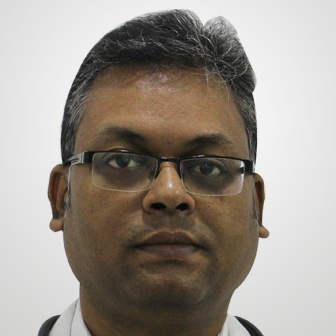
Arup Halder is a frontline pulmonologist in Kolkata; and attached to the CK Birla Hospitals (CMRI), Kolkata