
India is reeling under the impact of rising food prices and union external affairs minister S. Jaishankar has warned of an imminent food crisis in South Asia. New global research has led to the alarm bells ringing louder.
Climate change and extreme weather events are converting temporary local food shortages into a structural, ongoing driver of global inflation, says new research released on Wednesday by Zero Carbon Analytics (ZCA), an international research group providing analysis on climate change and energy transition. The phenomenon has been dubbed “climateflation”.
Titled ‘Climate extremes threaten global dietary quality and nutrition’, the research comes with a new interactive global map that tracks real-world instances where record heat, drought or heavy precipitation have driven sharp price hikes for essential commodities and agricultural goods across the world.
Climateflation inflates baseline price
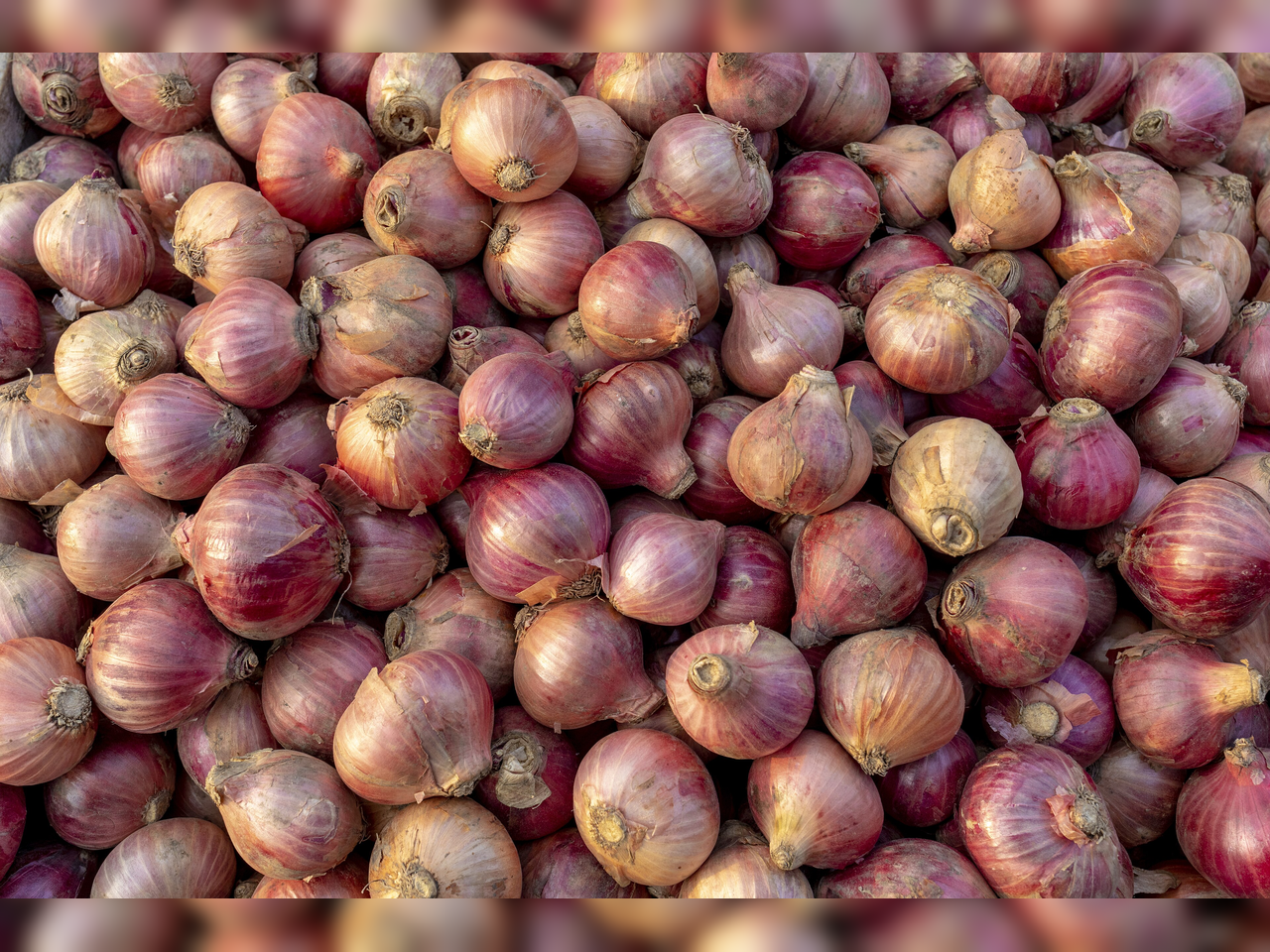
The map defines how the weather was during the observed period and measures the actual price increases against public data. For example, onion prices in India rose 89% and potato prices 81% over April-June 2024 compared to the same period in 2023 after the heatwave in May 2024.
“Far beyond temporary market shocks, the compounding financial pressure of ‘climateflation’ will continue to inflate baseline prices until full decarbonisation and structural adaptation are achieved,” says Joanne Bentley-McKune, lead author of the report.
“Climateflation represents a permanent rise in everyday living costs driven by fossil fuel dependency and extreme weather destruction, locking in persistent inflation that strains household budgets worldwide,” adds the expert.
Grain, vegetables, and meat costs shoot up
The new research looks at the 16 historical cases from the academic study and a new set of 12 price spikes that have disrupted food supplies since 2024.
A few of the key ones are as follows:
Drought impact on Arabica coffee (Brazil): After the driest May–September on record in 2024 across Brazil’s Arabica coffee belt, the coffee prices surged roughly 35% year-over-year by November 2025. The drought severely impaired the fruit and reduced the harvest.
Excessive rain on lamb (UK): Winter of 2023–24 in the UK marked the wettest 12-month period on record over an 80-year return period. Livestock fields were submerged, and annual lamb prices rose up by 19.9% in 2024.
Drought impact on beef (the US): A combination of Great Plains drought and the March 2026 heat dome in the Mountain West led to a 14.4% spike in US beef prices by April 2026.
Serbia’s raspberry felt the heat, literally
Tomatoes in Spain and the US, nori/seaweed in Japan, Scotch Bonnet Peppers in Jamaica, potatoes in Mexico, raspberries in Serbia, maize, courgettes, tomatoes and green beans in France are all products that became very expensive due to weather events.
“Record-high temperatures in June 2025 — Serbia’s hottest June on record — stunted fruit production, pushing benchmark export prices for frozen whole raspberries up 51% year-over-year by September 2025,” says a ZCA release.
“I am glad to see our method being used to build a continuous tracker of these climate impacts,” says Max Kotz, lead author of the academic study. “These price spikes carry profound consequences for people and for the economy: they add to cost-of-living issues, create health risks and costs as consumers may be forced to turn to less nutritious alternatives, and also contribute to higher inflation and interest rates,” Kox points out.