

In Belém, Brazil, over 35 leading philanthropies united under the ambit of ‘The Climate and Health Funders Coalition’ to address the escalating public health crisis driven by climate change and committed an initial USD 300 million to tackle both the causes of climate change and its consequences for health.
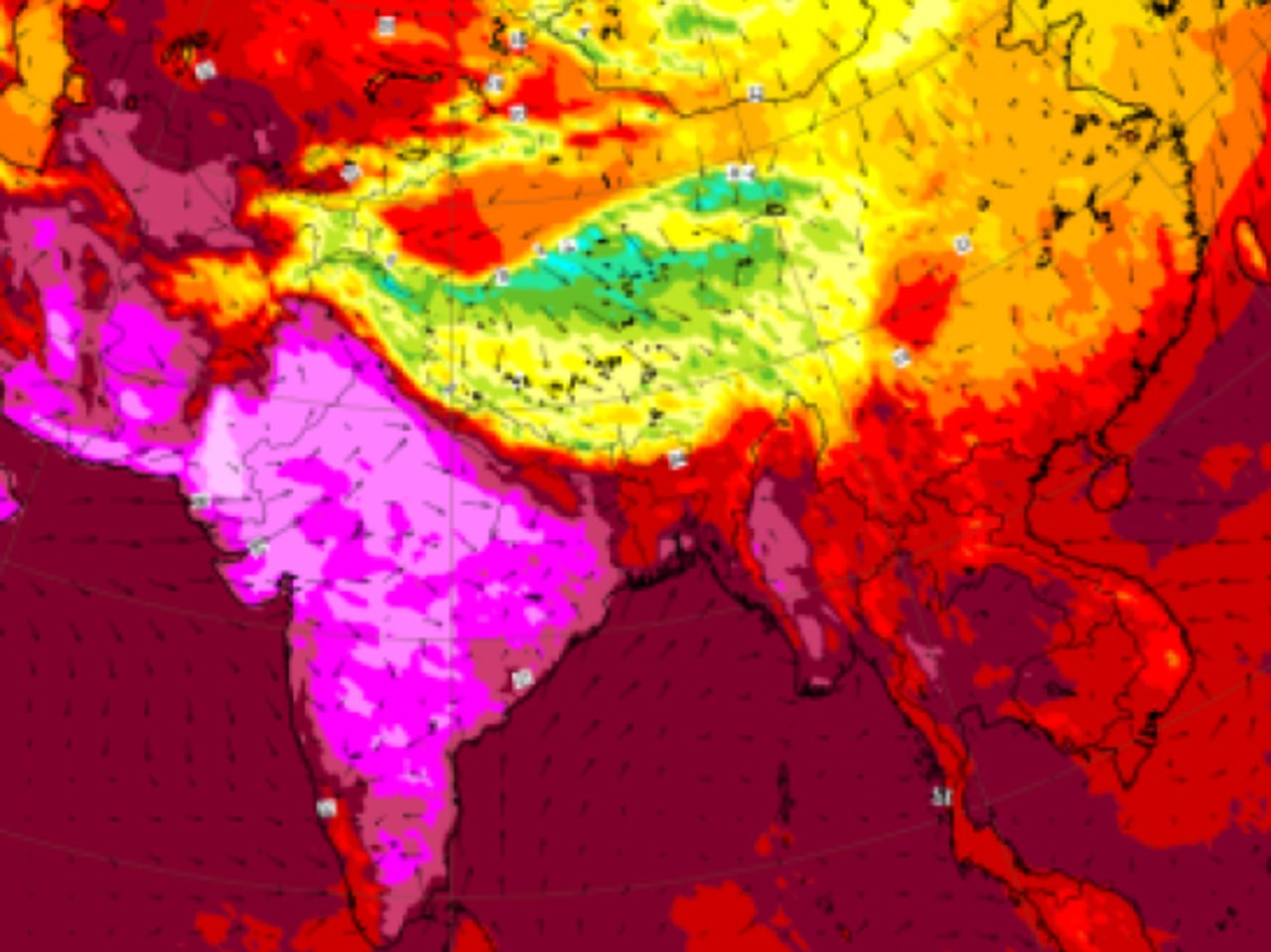
Climatic impacts have put at least 3.3 billion people at risk, particularly in low- and middle-income countries and the conglomerate has committed to supporting accelerating solutions where they are needed most. A report, recently released by frontline global scientific magazine Lancet, has pointed out how climatic impacts and associated air pollution have been killing millions globally, particularly in India and the rest of south Asia.
The coalition’s inaugural funding effort, announced at COP30 in Brazil on Thursday, also supports the implementation of the Belém Health Action Plan — a landmark framework placing human health at the centre of global climate action.
Heat, air pollution and infectious diseases targeted
The coalition brings together institutional and individual funders operating at international, national and regional levels to improve health and save lives. The funders currently include: Bloomberg Philanthropies, Children’s Investment Fund Foundation, Gates Foundation, IKEA Foundation, Quadrature Climate Foundation, The Rockefeller Foundation, Philanthropy Asia Alliance (by Temasek Trust) and Wellcome.
The immediate focus for the first USD 300 million will be to accelerate solutions, innovations, policies and research on extreme heat, air pollution and climate-sensitive infectious diseases. The funds will also strengthen the integration of critical climate and health data to support resilient health systems that protect people’s lives and livelihoods.
“The coalition recognises the need to act with urgency. The past 10 years have been the warmest on record and temperatures are expected to remain at or near record levels in the next five years. Climate and health experts have repeatedly warned that warming of more than 1.5°C risks unleashing more severe climate impacts and extreme weather with major consequences for human health, hence we are prioritising the sector,” a representative said.
“Rising temperatures are leading to deadly heatwaves, increased air pollution, worsening nutrition, threats to maternal and newborn health and the spread of diseases like malaria and dengue. Extreme weather events are also increasingly disrupting food and water supplies and straining health systems, especially in vulnerable regions,” a coalition statement said.
It further added that these impacts disproportionately affect the most marginalised, deepening existing health inequities.
Lancet report as benchmark
The findings of the 2025 Lancet Countdown Report on Health and Climate Change released in October have been benchmarked.
The report found that:
● The rate of heat-related deaths has surged 23% since the 1990s, to 546,000 a year.
● A record 154,000 deaths were linked to air pollution from wildfire smoke in 2024.
● The global average transmission potential of dengue has risen by up to 49% since the 1950s.
“The warnings from scientists on climate change have become reality,” said John-Arne Røttingen, CEO at the Wellcome Trust. “The impacts of rising temperatures hit the most vulnerable people hardest – children, pregnant people, older people, outdoor workers and those communities with the least resources to respond,” Røttingen added.
Every country in the world is now affected by climate change, the coalition pointed out, and it is imperative to develop and implement solutions fast to save lives and livelihoods.
“We have set it up to tackle the escalating climate crisis and support the Belém Health Action Plan,” a Climate and Health Funders Coalition statement said, adding that further on the agenda was “aligning and expanding funding efforts to address the most urgent climate and health challenges — unlocking long-term investment from public, private, and multilateral sources, setting shared goals and using robust data and science to design, implement, and scale solutions, (and) shifting funding and power to communities most affected by climate change.”
Belém Health Action plan is the pivot
The USD 300 million investment in climate and health has also been timed to provide support for the implementation of the Belém Health Action Plan, designed to build climate-resilient health systems and prioritise health equity and justice.
The Belém Health Action Plan focuses on building strong health surveillance and monitoring systems to effectively respond to climate-related threats such as disease outbreaks and extreme heat. It prioritises implementing proven solutions, evidence-based policies and capacity building, investing in research, technology and infrastructure to support the most at-risk populations.
“Climate change is the gravest health threat of our time, and no single organisation, community or country can tackle it alone,” says Naveen Rao, Senior Vice President of Health at The Rockefeller Foundation. “By coming together to align our priorities and combine our resources, this coalition can accelerate solutions faster, reach more communities, and achieve greater impact,” he added. “Protecting the environment is also about protecting people’s health and livelihoods,” said Antha Williams, who leads the Environment Program at Bloomberg Philanthropies.