
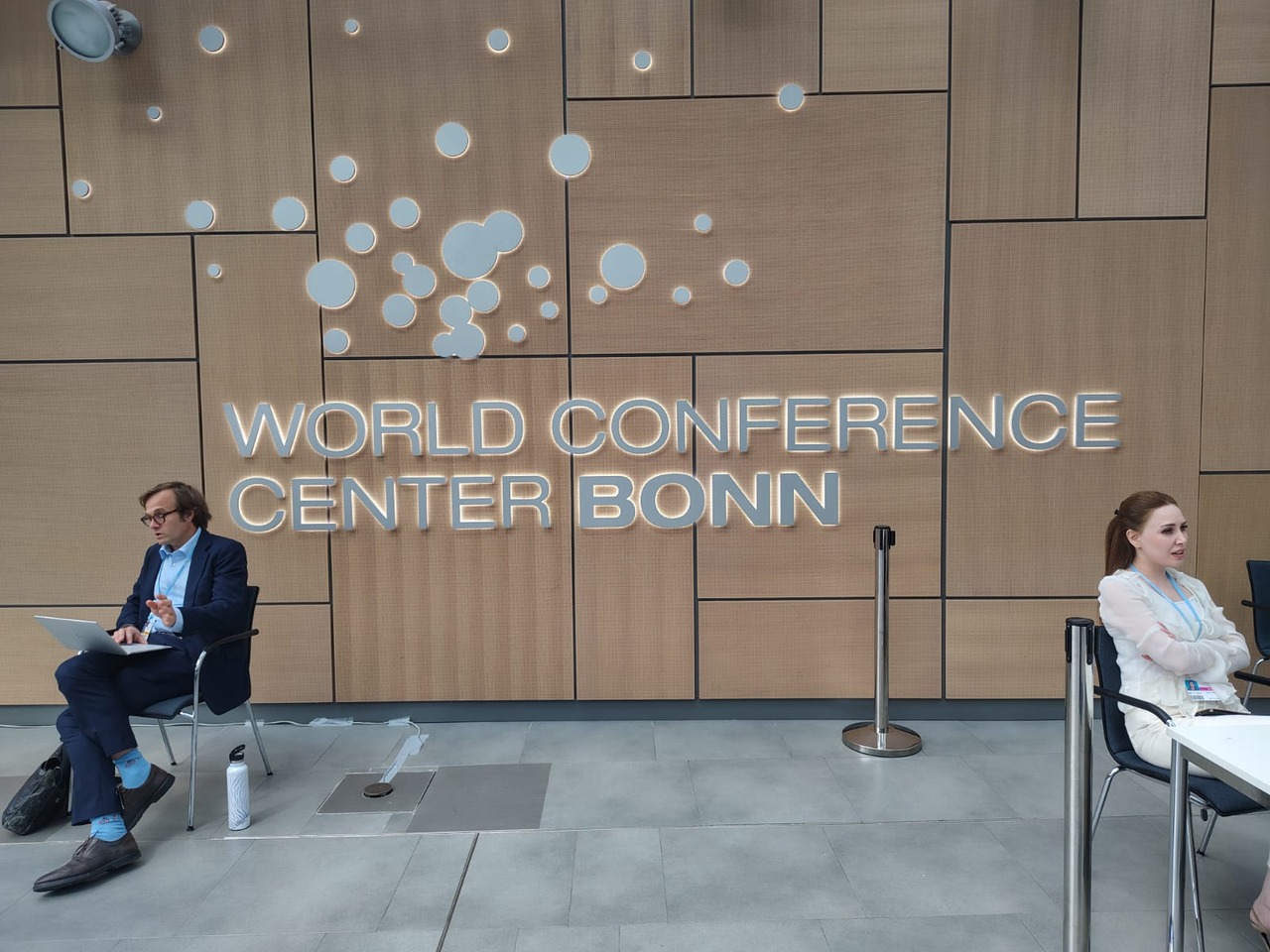

On the opening day of the UN climate meet SB64, being held in Bonn from June 8-18, UN climate chief Simon Stiell sent a positive signal to the climate negotiators attending the event, saying that addressing the global climate crisis is “the hardest, but most important, thing humanity has ever tried to do together”.
Stiell, who heads the United Nations Framework Convention of Climate Change (UNFCC), reaffirmed his commitment to addressing global temperature increase and extreme weather, noting that unlike in the previous year, this year’s Bonn mid-year climate talks displayed a strong determination to take action.
The UN official reminded that transitioning from fossil fuels to clean energy is a vital and urgent necessity, especially in the background of the ongoing Iran war. He said progress is beginning to show, but emphasised: “We are not where we need to be”.
From talk to action
Stiell continued: “People around the globe need this process to keep moving forward, and at a faster pace and larger scale. It’s crucial that both the UN climate secretariat and the nations leading this year’s COP – Türkiye and Australia – recognise that decisions made in the confines of the talks must lead to real-world actions.”
COP (Conference of Parties) is the major annual global conference held by UN Climate; the SB (Subsidiary Bodies) meeting is held by UN Climate annually mid-year as preparation for COP.
The UNFCC chief called for renewed attention to organising the vast range of about 500 voluntary initiatives that have arisen under the Global Climate Action Agenda, stressing the need to unite efforts from governments, businesses, cities, and civil society.
“When we left Belem (where COP30 was held) in November last year, we had no idea that by the time we met again here in Bonn, the world would be facing the worst energy crisis in our history, and we’re still grappling with it,” he remarked. He highlighted the facts that the global economy, supply chains and citizens have been impacted by the volatility in fossil fuel prices, which has dominated the concerns of governments in the recent months.
Conflicted global landscape
Stiell recognised that in a highly conflicted and uncertain global landscape, the climate crisis would only become more frequent, more unpredictable and ultimately worse. While the global community has been struggling to face immediate challenges, the critical need to address climate change remains unchanged. Records for temperatures keep breaking, eeven as climate-related natural disasters are escalating, appearing with greater frequency and less predictability.
The need of the hour is to rely less on fossil fuels and advocate for greater energy sovereignty, reliability, and lower emissions, Stiell said. He called for a speedier energy transition to meet the Paris Agreement’s temperature targets, aiming to avoid significant economic repercussions.
The vulnerability of fossil fuel supply chains, as made evident by the West Asia crisis, strengthens this argument. “We need to convey to investors, corporate boards and economies that we are united in the effort to decarbonise, develop renewable energy and decrease reliance on fossil fuels. Collectively, we have managed to lower the projected global temperature rise from 4 degrees before Paris to the current 2.8 degrees,” Stiell added.
Donor countries must deliver
COP31 President-Designate Murat Kurum in his introductory comments at SB64 also urged to reduce reliance on fossil fuels and speed up the transition to clean energy. With Antalya aimed at making top-tier political decisions, Bonn must be taken advantage of to push forward the essential negotiation tracks and lessen the load that will otherwise impact COP31, Kurum said.
He stated that the COP31 presidency is prepared to assist the Chairs of the Subsidiary Bodies. Additionally, they will participate in the required high-level events and discussions to come, such as the Baku Adaptation Roadmap and the UAE Dialogue concerning the implementation of results from the Global Stocktake, a worldwide health check.
Kurum urged the submission of Nationally Determined Contributions, Biennial Transparency Reports and National Adaptation Plans. “Donor countries need to move from making promises to actual delivery on climate finance, showing real progress toward achieving the Baku Finance Goal,” he said.