
An UN report on global climate change released on Monday at Interlaken, Switzerland has accepted that the world is hardly 7 years away from a 1.5 degree temperature rise over pre industrialized level , that can prove devastating to the world in general and coastal areas like Sundarbans in particular.
The report, a copy of which is with The Plurals, admits that current plans are insufficient to tackle climate change and trains a sharp focus on loss and damage, which refers to the climate change consequences that go beyond what people, can manage.
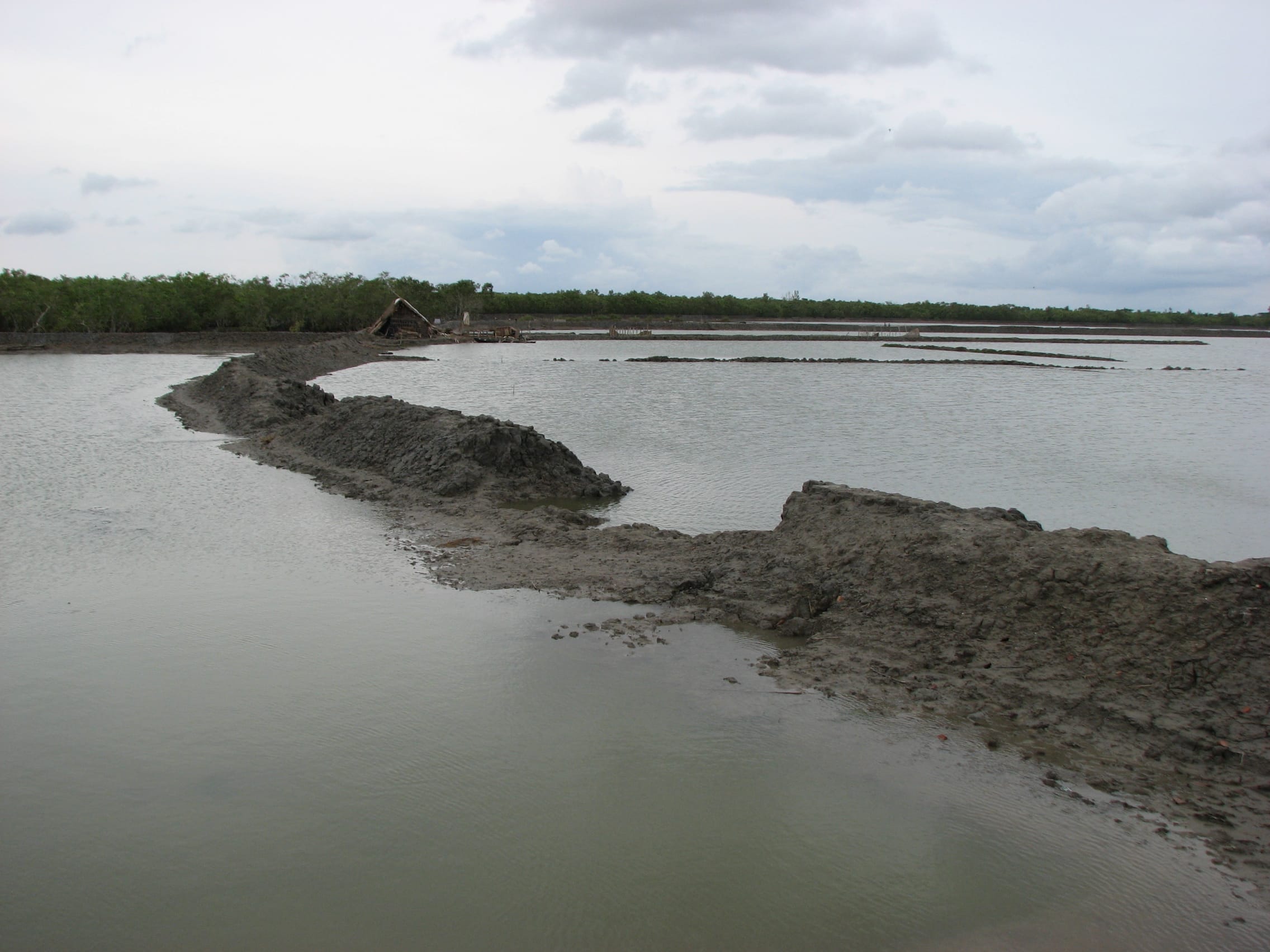
Sundarbans is West Bengal is a major candidate on loss and damage parameter with a sea level rise that is more than double compared to global benchmark; and, significant frequency of high intensity cyclones coupled with low socio-economic resilience of dense local population. The area, despite receiving high and frequent climatic impacts, hardly contributes any significant carbon emission in the atmosphere.
Loss and damage came into the prominence during COP 27 held at Sharm el-Sheikh at Egypt; where after a prolonged and bitter negotiation, loss and damage finance facility was agreed upon by close to 200 countries.
“The report, approved during a week-long session in Interlaken, brings into sharp focus the losses and damages we are already experiencing and will continue into the future, hitting the most vulnerable people and ecosystems especially hard” admits an IPCC communication about the report; which expresses hope that “taking the right action now could result in the transformational change essential for a sustainable, equitable world.”
Climate experts acknowledged the trend.
“Climate justice is crucial because those who have contributed least to climate change are being disproportionately affected,” accepted Aditi Mukherji, one of the authors of the Synthesis Report, who added that “almost half of the world’s population lives in regions that are highly vulnerable to climate change (and) in the last decade, deaths from floods, droughts and storms were 15 times higher in highly vulnerable regions”.
“It (the report) also warns that sea-level rise is unavoidable and this is a deep cause of concern for the coastal communities in India, particularly Sundarbans, and calls for appropriate policies and financial resources to help tackle devastating climate impacts,” added Harjeet Singh, head of global political strategy, Climate Action Network International to The Plurals on Monday evening.
Professor Joyashree Roy, another author of the report, categorically opined that “loss and damage impact is going to increase sharply with every additional warming, both on public infrastructures and individuals in vulnerable areas , in coasts and areas like Sundarban which are already under climate change hammer and beyond coping capacity with approximately 1.1 -degree rise over pre-industrial level ”.
“The impact will increase exponentially if in any year the temperature increases 1.5-degree over pre-industrial level, and may go beyond adaptation limits for many; and hence the governments should aim and set target for higher cut in emissions by deploying all affordable and available technological options and policies which are not in conflict with development and economic growth, and take more adaptive actions to combat the situation” added Roy.
“Mainstreaming effective and equitable climate action will not only reduce losses and damages for nature and people, it will also provide wider benefits,” said IPCC Chair Hoesung Lee.
Needs sharp cut in emission
The report warns that a sharp cut in emission within all sectors is required urgently and unless almost half of global emission gets cut by 2030, it will be difficult to limit global warming rise within 1.5°C compared to pre-industrialisation period. The Paris agreement, and subsequent COP decisions, vouched to keep the global temperature rise around 1.5 degree Celsius. After a brief lull during Covid endemic period, the emission was actually found to rise slightly in 2022, as reported during COP 27.
“IPCC’s sixth assessment report is the final warning from scientists to governments that they have less than 10 years to act on climate change” said Sanjay Vashist . director of Climate Action Network South Asia (CANSA).
“The pace and scale of what has been done so far, and current plans, are insufficient to tackle climate change” further states the report, a copy of which is with the reporter.
“Every increment of warming results in rapidly escalating hazards… in every region, people are dying from extreme heat. When the risks combine with other adverse events, such as pandemics or conflicts, they become even more difficult to manage” warns the report referring Covid and ongoing Russia – Ukraine war.