
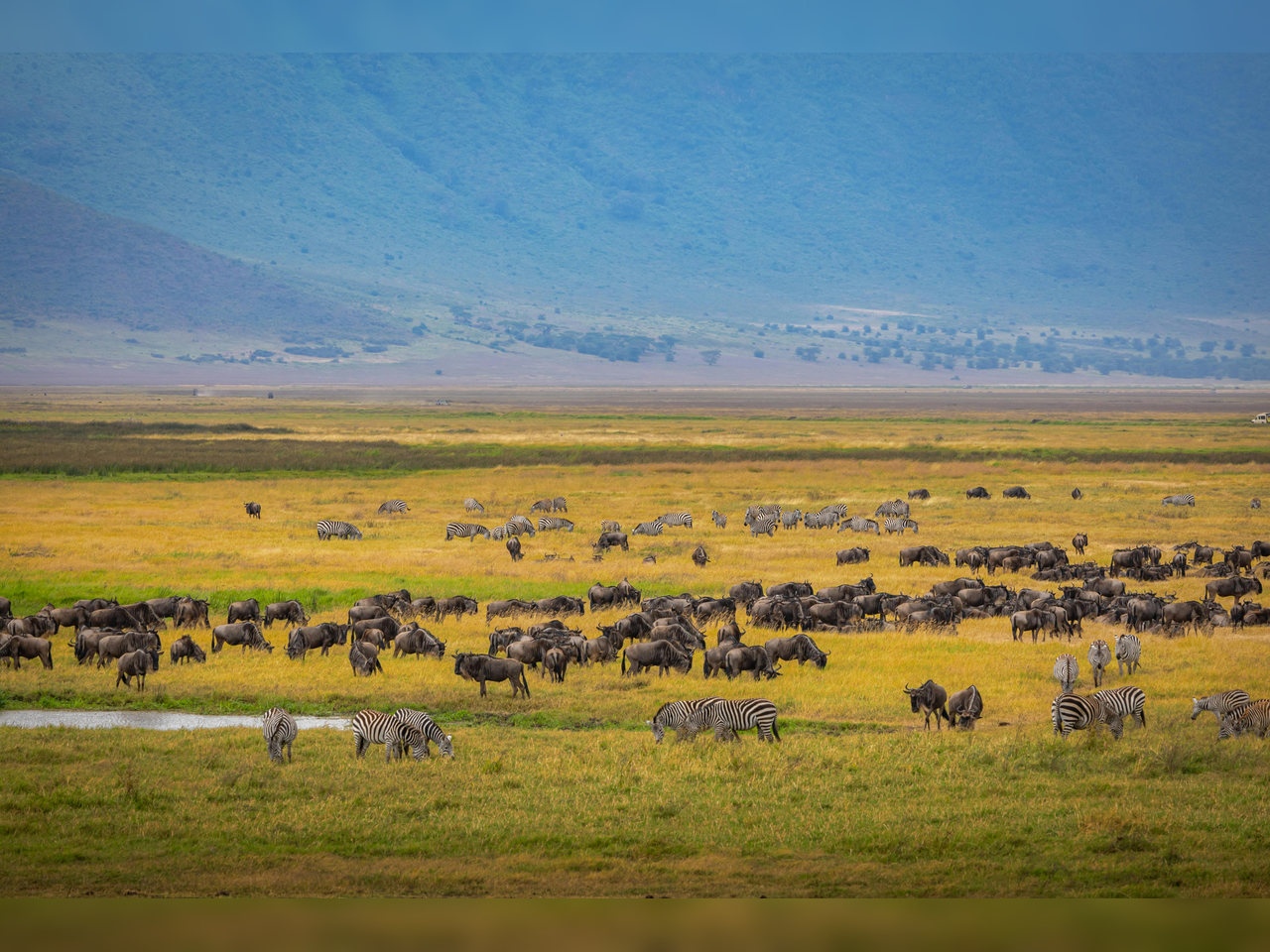
India has emphasised its commitment to secure migratory species at the 15th meeting of the Conference of Parties of the Convention on Migratory Species (CMS COP-15), one of the most important meetings on wildlife conservation, being held from March 22 to March 29 at Campo Grande, Brazil. It also spoke about its support to the Central Asian Flyway Initiative, a major migratory route extending from the Arctic Ocean to the Indian Ocean over 30 countries across Europe and Asia.
The global meeting is being held at a time when migratory species are facing the most severe threats. “Even more of the planet’s most mobile animals are now in decline. While many of the recommendations that we set out in the first ‘State of the World’s Migratory Species’ are being acted on, an alarming number of species that previously had stable populations are decreasing,” said Kelly Malsch, head of conservation at UNEP-WCMC.
Severe decline in migratory species
Ahead of the meet, an interim report that provided an update to the landmark ‘State of the World’s Migratory Species’ report, the first comprehensive assessment of migratory species released in 2024, spoke of the increasing vulnerability of migratory species populations.
The interim report warned that 49 per cent — almost half of the total numbers— of migratory species that are recognised by the governments of many countries as needing protection have severely declining populations, up from 44 per cent two years ago. The number of species threatened by extinction has risen to 24 per cent from 22 per cent in two years.
Focus on routes and habitats
The interim report was prepared with the Convention on Migratory Species (CMS), with the help of conservation scientists at the UN Environment Programme World Conservation Monitoring Centre (UNEP-WCMC). Other contributors included BirdLife International, researchers at the University of Queensland and the Global Initiative on Ungulate Migration (GIUM).
The latest report tracks major changes in the conservation status of migratory species. It highlights emerging population trends and recent progress in identifying and protecting critical habitats and migratory routes.
The interim report is revealing:
· 26 CMS-listed species, including 18 migratory shorebirds, have declined to higher extinction risk categories.
· Seven CMS-listed species have improved, such as the saiga antelope, scimitar-horned oryx and Mediterranean monk seal.
· 9,372 Key Biodiversity Areas (KBAs), critical for CMS-listed species, have been identified.
· Progress has been made to bridge data gaps on important habitats and migratory pathways for sharks, rays and marine mammals. Hundreds of areas have been identified that are specifically important for CMS-listed marine species.
· But key indicators, including overall proportion of CMS-listed species with decreasing populations, are negative.
Louder alarm
“Overexploitation, and habitat loss and fragmentation, are the two greatest threats to migratory species worldwide. The first global report was a wake-up call. This interim update shows that the alarm is still sounding,” said Amy Fraenkel, CMS Executive Secretary. “Some species are responding to concerted conservation action, but too many continue to face mounting pressures across their migratory routes. We must respond to this evidence with coordinated and effective international action,” Fraenkel added.
“We know that recovery is possible, and we know what to do, but we need to act faster. The decisions that will be taken in Brazil later this month can still turn around the fortunes of these amazing animals,” said Malsch.