
A senior environmental activist from Bengal has written to several political parties to include environmental concerns in their election manifestos in the run-up to the Assembly elections in the state, and has received mainly silence — and only one response.
In a letter dated February 16, the activist Biswajit Mukherjee, former chief law officer of West Bengal Pollution Control Board, and of the state environment department, has appealed to political parties to consider environment as a part of election agenda, reminding that we are witnessing the severe effects of climate change around us.
“This is the time when the world is confronted with the knowledge of impending and potentially devastating climate changes … It is also the time, when we in India, are realising the pain of environmental degradation of our air, water and forests,” says Mukherjee in the letter, arguing for urgent political focus on environment.
Eleven-point agenda
The February letter highlights 11 areas of concern in Bengal, linking them with the relevant legal provisions:
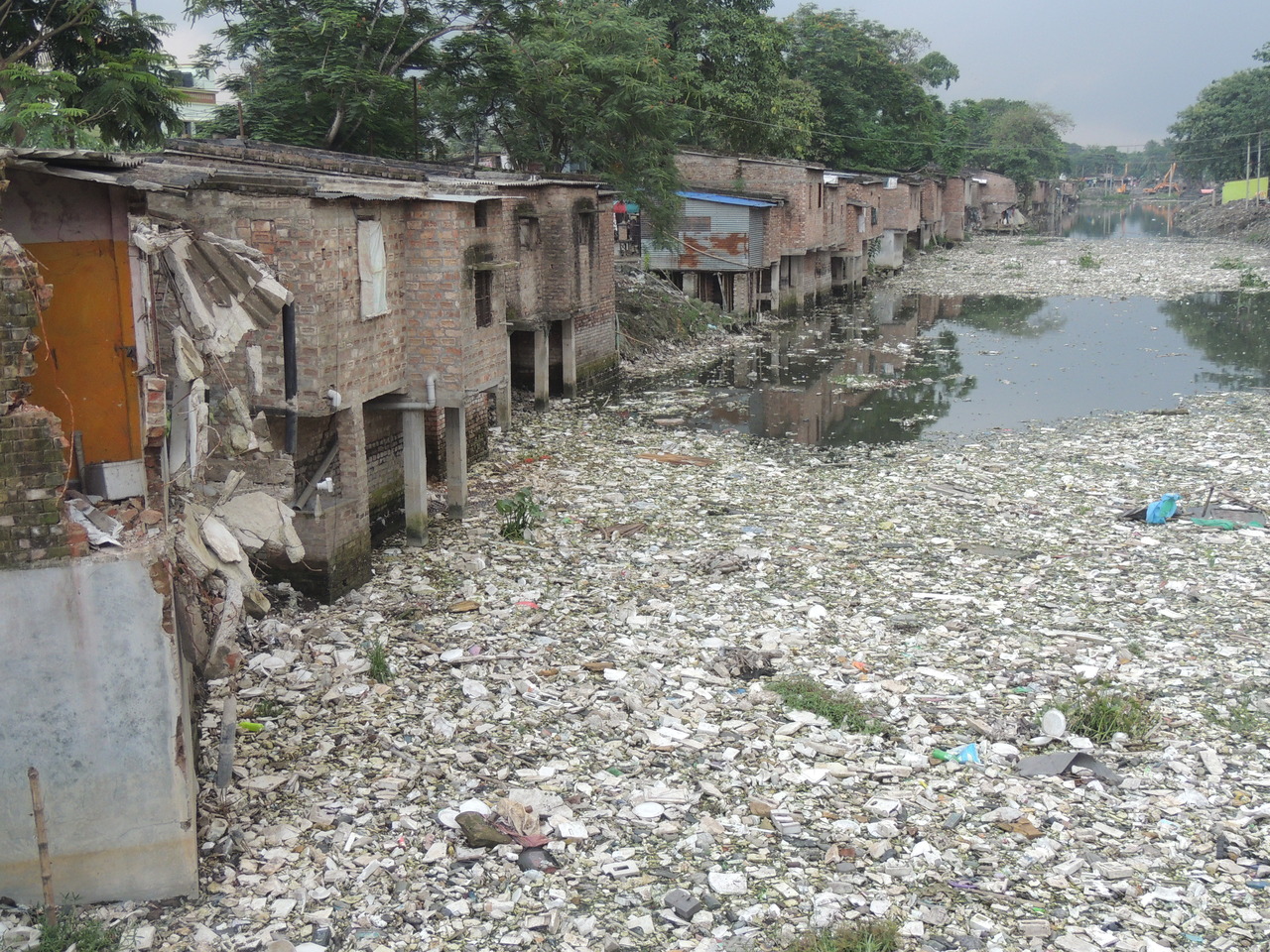
(a) Rivers polluted: Despite the creation of the Ganga River Basin Authority and the existence of different statutory bodies for prevention and control of water pollution, most of the rivers of West Bengal are polluted due to discharge of wastewater from different point and nonpoint sources, says the letter. Many of the main Bengal rivers and their tributaries have turned into sewers and their water quality is much below the permissible limit of pollutants.
(b) Coastal pollution: Coastal pollution has increased considerably, despite the Coastal Regulation Zone Management Plan having been notified under the Environment (Protection) Act, 1986. Indiscriminate violations are happening in all coastal areas in Bengal. The department of environment, the West Bengal Pollution Control Board and Coastal Regulations Zone Authority are silent spectators.
(c) Waste Bengal: A large number of water bodies and wetlands have been turned into dumping grounds, with absolute disregard to the Solid Waste Management Plan notified in the year 2000 and subsequently amended several times.
(d) Underground water and sand mining: Indiscriminate underground water extraction is a daily affair, with no consideration for sustainable development. Illegal sand- and soil-mining are routine in rural Bengal.
(e) Biomedical waste: Several hospitals and nursing homes are flouting the Bio-medical Waste (Management & Handling) Rules,1998. The Central Pollution Control Board and all State Pollution Control Boards are silent.
(f) Rural industrial pollution: A large number of industries, especially power plants, iron industries, sponge iron industries and mining Industries are operating in the rural areas, violating all statutory environmental norms.
(g) Hazardous waste: Industries are dumping hazardous waste indiscriminately without any compliance with statutory norms.
(h) Green cover: Destruction of the social forestry in urban areas and rural areas is a regular phenomenon, though the forest department and local authorities are legally responsible for protecting the social forestry. Extension of green cover is the need of the hour.
(i) Plastic menace: Indiscriminate usage of plastic in rural, urban and hill areas.
(j) Biodiversity management: It is mandatory for local authorities to prepare a people bio-diversity register (PBR), but several municipal corporations and municipalities in Bengal have not complied with the norm, and even those who have, have not acted on the plans significantly. The state biodiversity board, with minimum manpower, is hardly in a position to act.
(k) Fireworks: Indiscriminate and unlicensed fireworks manufacturing units is one of the biggest illegal businesses in rurál areas, endangering lives and property.
Parties hardly care
Mukherjee wrote to seven political parties, including the Trinamul Congress, the BJP, the CPI(M) and the Congress. Only the Congress responded with Amitabha Chakraborti from the party’s manifesto committee replying to Mukherjee, saying environmental concerns have been included in the manifesto.
“I have been writing to political parties since 2009. Some political parties include environmental issues in their election manifestos in a cursory manner but once elections are over they, both the ruling as well as opposition parties, do not pay any heed to the environmental issues,” claims Mukerjee, general secretary of non-profit Paribesh Academy, Chandannagar, which is located in Hooghly district in Bengal, mentioned in the letter.
The enviro-legal expert listed the different acts and agencies that should be responsible for the protection of environment, including elected bodies. The letter claims that elected representatives and government organisations often prove largely ignorant of the law.