
During September 28-29, various union government departments and agencies published several news releases linked to the environment, climate change, public health, and related social sectors that are important for the country’s present and future.
The Plurals has collated the key information for you.
Scanner on emergency preparedness for Lonavala and Bhushi Dams
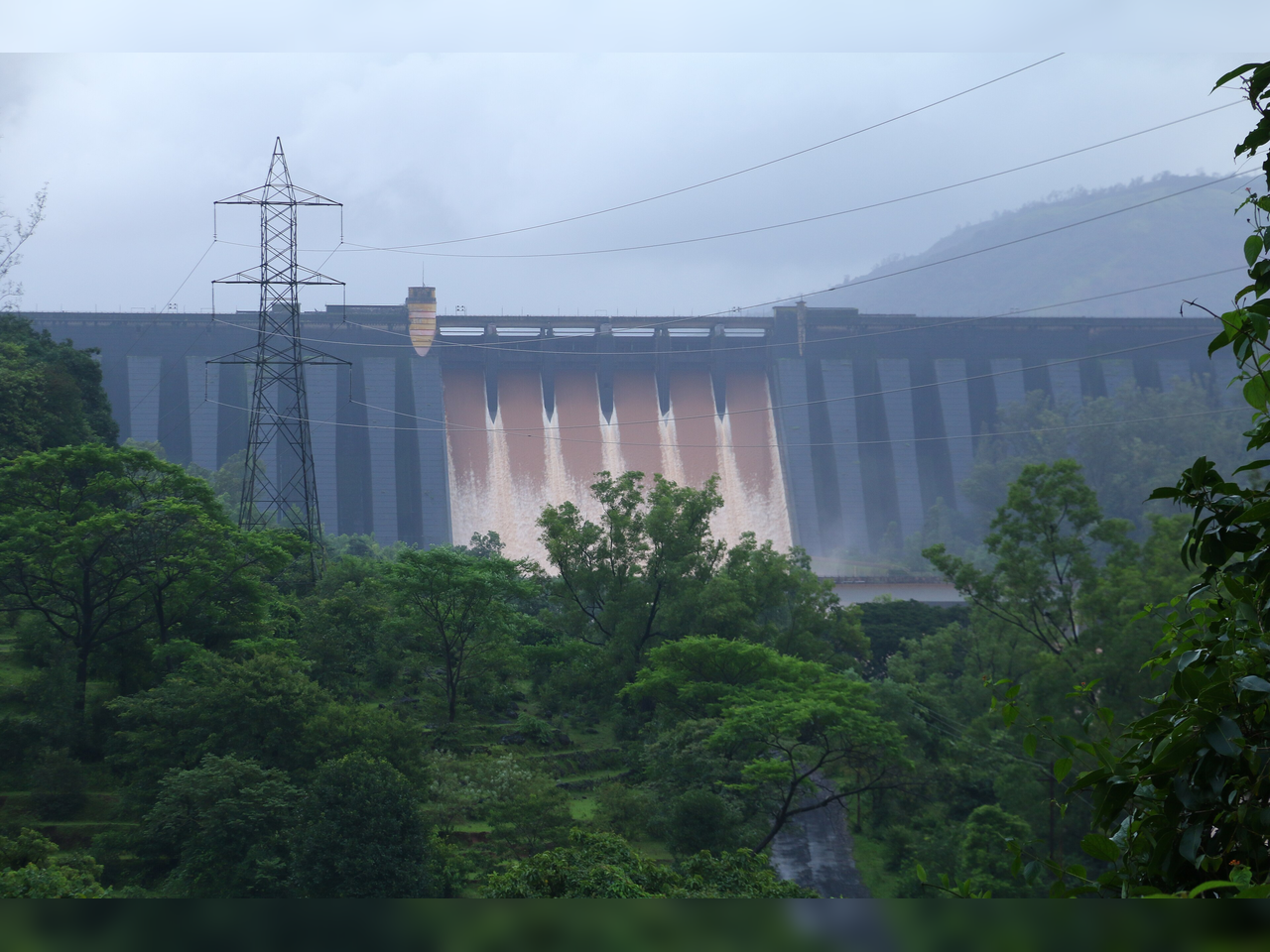
As part of the Seva Sankalp initiative aimed at strengthening dam safety and enhancing public safety, the National Dam Safety Authority (NDSA) organised a stakeholder consultation on Emergency Action Plans (EAPs) and emergency preparedness at Lonavala and Bhushi Dams in Lonavala, Maharashtra on 27 September 2026.
The consultation included detailed discussions on the recent flood incident in the Lonavala area, the impact of intense rainfall and the lessons emerging from the event for strengthening preparedness during extreme rainfall situations. The need for enhanced coordination, timely communication and effective response mechanisms during emergency situations was emphasised.
It was highlighted that an Emergency Action Plan is a critical instrument for timely warning, communication, coordination and emergency response, particularly for safeguarding downstream communities, their lives and livelihoods.
Detailed report link:
https://www.pib.gov.in/
Expanded Graded Response Action Plan (GRAP) to control vehicular emissions, dust, and pollution in Delhi NCR
The 30th meeting of the Full Commission of the Commission for Air Quality Management in National Capital Region and Adjoining Areas (CAQM) was held on 28.09.2026, under the Chairmanship of Shri Rajesh Verma, Chairperson, CAQM, during which the Commission approved modifications to the extant Graded Response Action Plan (GRAP) Schedule for the National Capital Region (NCR).
Detailed report link:
https://www.pib.gov.in/
Next ‘India Energy Week’ to be held at Kolkata in January 2027
As India’s energy demand continues to grow amid a rapidly shifting global energy landscape, the technologies, partnerships and strategic choices shaping the future of energy will be at the forefront of India Energy Week (IEW) 2027.
Making its debut in Kolkata from 28–31 January 2027 under the theme “Unlocking Innovation. Securing Energy. Shaping Tomorrow,” the fifth edition of IEW will serve as the first major global energy conclave of the year, bringing together policymakers, energy leaders, technology innovators, investors and industry stakeholders from across the world to explore pathways to strengthen global energy security and advance sustainability.
Held under the patronage of the Ministry of Petroleum and Natural Gas, India Energy Week has grown rapidly since its debut in Bengaluru in 2023, expanding in scale, international participation and the breadth of issues addressed. At the fourth edition in Goa in 2026, the event brought together 75,000+ energy professionals, 700+ exhibiting companies, participants from more than 120 countries and 6,500+ conference delegates, reflecting its preeminent position among global energy conclaves.
Union Minister for Petroleum and Natural Gas Shri Hardeep Singh Puri along with Chief Minister of West Bengal Shri Suvendu Adhikari formally announced Kolkata as the host city for India Energy Week 2027. Shri Adhikari thanked Shri Puri and the Petroleum & Natural Gas Ministry for bringing IEW 2027 to West Bengal. Shri Adhikari said a successful IEW 2027 would help attract new investment, expand existing projects and create employment opportunities in West Bengal.
Detailed report link:
https://www.pib.gov.in/
Union government claimed sustainable highway development
India’s green highway approach is transforming road infrastructure through plantation, climate-resilient design and resource-efficient construction. Over the last five years, more than 3.61 crore saplings have been planted across approximately 1.32 lakh km of National Highways. From Miyawaki forests to recycled construction materials and indigenous bio-bitumen technology, green practices are shaping highway development. Satellite-based monitoring through the National Highways Green Cover Index is strengthening scientific assessment of green cover. Community initiatives and pollinator corridors are also adding a wider ecological dimension
Detailed report link:
https://www.pib.gov.in/