
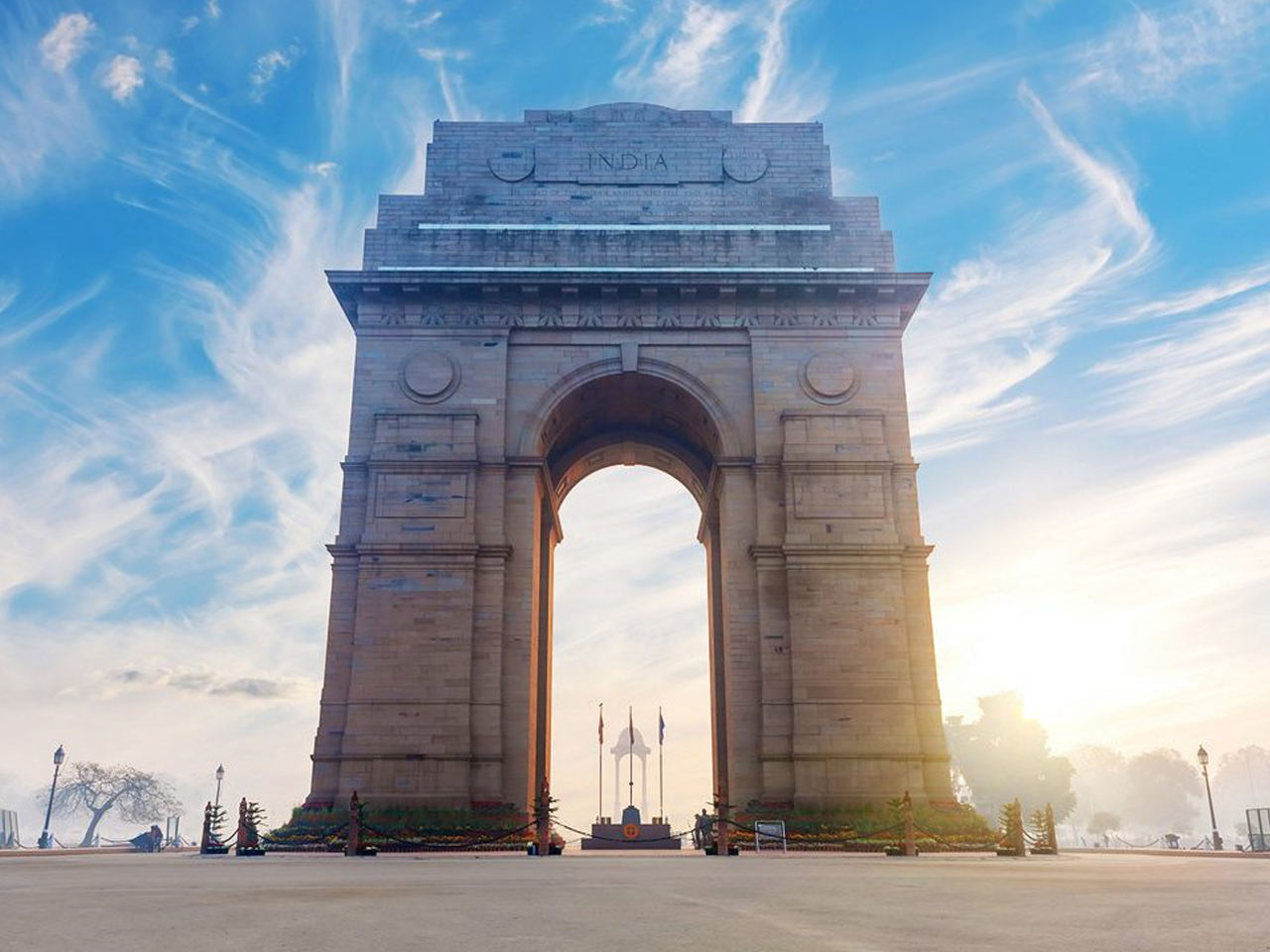
On the 79th anniversary of India’s independence, as the tricolour flutters with pride; it’s a moment for profound reflection. We celebrate our journey from a colonized, impoverished nation to an emerging global power. Yet, beneath the surface of burgeoning GDP figures and sprawling infrastructure, a critical question looms: Is our development model truly liberating our people and securing our future? Or, are we shackling ourselves to a perilous path of environmental degradation and deepening inequality, reminiscent of the very extractive system we fought to overthrow?
True freedom isn’t just about political sovereignty. It’s the freedom from ‘want’, the freedom from ‘fear’, and the freedom ‘to breathe clean air’ and ‘drink clean water’. This isn’t mere rhetoric; it’s an emerging global legal norm. A landmark advisory opinion from the International Court of Justice (ICJ) has underlined the right to a clean, healthy, and sustainable environment as a fundamental human right, placing a clear obligation on states to protect their citizens from environmental harm. It’s the assurance that the development designed to uplift us won’t, in turn, become the source of our destruction and displacement. As climate change intensifies, this re-evaluation of our path is an existential imperative.
Developmental paradox
There’s no denying the strides India has made. Between 2005 and 2021, according to a joint report from the UN Development Programme (UNDP) and the Oxford Poverty and Human Development Initiative (OPHI), the country has remarkably lifted over 415 million people out of multidimensional poverty. Our economy has expanded, industries have flourished, and we have demonstrated leadership on the world stage. However, this narrative of progress is dangerously incomplete. The benefits of this growth have been anything but uniform. An unsettling 2023 Oxfam report revealed that India’s richest 1% now own more than 40% of the country’s total wealth.
This staggering inequality manifests in the most basic of needs. While gleaming high-rises in our metros consume vast amounts of power, tens of millions of our citizens still lack reliable access to basic services, including electricity, and are forced to live in unclean environments. This is the central paradox: we are an aspiring superpower that has yet to ensure fundamental justice to all people. Our development model has given many a sturdier roof, but it has left a vast multitude still struggling in leaky shanties, while a select few build private skyscrapers reaching for the clouds.
Crosshairs of climate emergency
This fragile social fabric is now being stretched to its breaking point by the climate crisis. India is in the crosshairs of the climate emergency. The Intergovernmental Panel on Climate Change (IPCC) has repeatedly flagged South Asia as a critical vulnerability hotspot. According to the Germanwatch Global Climate Risk Index, India consistently ranks among the top 10 most affected countries. The impacts are no longer distant threats; they are stark realities.
We witness it in the terrifying fury of extreme weather events: devastating super-cyclones battering our coasts, catastrophic floods submerging states like Assam and Kerala, and lethal heatwaves that brought northern India to a standstill with temperatures soaring close to 50∘C. These are not isolated incidents; they are a new, terrifying normal.
Beyond these sudden shocks are the slow-onset disasters that are just as damaging. The majestic Himalayan glaciers, our “water towers,” are retreating at an alarming rate, threatening the perennial flow of our great rivers and increasing the risk of glacial lake outburst floods (GLOFs), like the tragic 2021 Chamoli disaster and the recent Uttarkashi flash floods.
Simultaneously, rising sea levels are silently eating away at our extensive coastline, threatening to submerge parts of Mumbai and Kolkata and salinating the fertile lands of our coastal communities, pushing millions towards displacement in places like the Sundarbans. We are fighting a war on two fronts: against sudden calamities and a slow, creeping erosion of our natural life-support systems.
Mirroring colonial model
Is our development model fundamentally different from the extractive colonial model we inherited? The British Empire viewed India as a source of raw materials and a market for finished goods, with little regard for the well-being of its people or the health of its environment. If we are honest with ourselves, our modern approach, driven by an insatiable hunger for high GDP growth, often mirrors this extractive logic. The relentless pursuit of economic expansion “at any cost” has placed our environment on the brink.
While India has rightly earned accolades for its ambitious push into renewable energy—aiming for 500 GW of non-fossil fuel energy capacity by 2030—this green transition is riddled with contradictions. This “all-of-the-above” energy strategy, where renewable expansion occurs alongside continued reliance on fossil fuels, undermines our climate goals and perpetuates the very pollution we seek to escape.
This contradiction is starkly visible in several key areas:
- Air Pollution: Our cities are some of the most polluted in the world. The air in Delhi, Kanpur, and countless other urban centres is a toxic cocktail of emissions from vehicles, industry, and crop burning. A study by the Energy Policy Institute at the University of Chicago (EPIC) estimates that air pollution shortens the life expectancy of the average Indian by over 5 years. This is a public health emergency of staggering proportions.
- Forest Degradation: Official reports from the Forest Survey of India (FSI) may show a marginal increase in “forest cover,” but this statistic masks a worrying trend. We are losing our precious, biodiverse old-growth forests—the planet’s lungs and homes to countless species and indigenous communities. In their place, we are planting commercial monoculture plantations, which are poor substitutes in terms of biodiversity, carbon sequestration, and ecological resilience. This is the greenwashing of deforestation.
- Waste and Plastic Mismanagement: Our cities are drowning in waste. Towering landfills like Ghazipur in Delhi, a place I live close to, are monuments to our failure in sustainable consumption. India generates over 62 million tonnes of municipal solid waste each year, with a vast majority remaining untreated. This crisis is acutely visible in our struggle with plastic. India’s plastic consumption has surged, and our rivers, fields, and food chain are now choked with single-use plastics. Despite bans on certain items, enforcement is weak, and a staggering amount of plastic waste clogs drains, causing urban floods, and breaks down into toxic microplastics that poison our environment for centuries. The promise of a Swachh Bharat (Clean India) remains distant as long as we fail to address the root cause: a linear “take-make-dispose” economy.
Preaching globally, not practicing locally
At international climate negotiations like the UN’s Climate summits, India has been a powerful voice for climate justice, rightly demanding that developed nations take historical responsibility and lead with deeper emissions cuts and financial support. We have supported a “bottom-up” approach where each nation determines its own climate path.
However, there is a profound disconnect between our international stance and our domestic actions. The very principles of justice and a bottom-up approach we advocate for globally are often absent in our own transition. Large-scale renewable energy projects, such as massive solar parks, are often pushed through without adequate consultation with local communities or proper environmental impact assessments. Fertile agricultural lands are acquired, and pastoralists lose their grazing grounds, with inadequate compensation and little say in the planning process. This creates new zones of conflict and dispossession, undermining the very idea of a Just Transition. If our green transition is not democratic, inclusive, and equitable, it is simply a reallocation of injustice.
Road to follow
India stands at a crossroads. We can continue slipping down the well-trodden path of mindless growth, deepening inequalities and accelerating ecological collapse. Or, we can seize this moment to demonstrate real leadership by forging a new development paradigm—one that places human well-being and ecological health at its very core.
This new model is not about sacrificing progress; it is about redefining it.
- It prioritizes investments in decentralized, community-owned renewable energy systems, empowering local people with energy sovereignty.
- It champions a circular economy, where waste is minimized and resources are reused, creating green jobs.
- It protects and restores our natural ecosystems—our forests, wetlands, and rivers—recognizing them not as commodities but as vital life-support systems.
- It measures success not just by GDP, but by indicators of well-being, health, and happiness.
The ultimate freedom for an Indian citizen in the 21st century is not just the security of our borders, but security from development-caused and climate-induced disasters. It is the freedom to live a life of dignity, unthreatened by the very “development” that was meant to be a boon.
This transformation cannot be the government’s responsibility alone. As citizens, we too must evolve. We must shift our behaviours, embrace sustainable lifestyles, and, most importantly, demand accountability from our political leaders at all levels.
We must question the projects that harm our environment and raise our voices for policies that protect our collective future. The true spirit of independence lies in this active, engaged citizenship—a collective commitment to building an India that is not just economically prosperous, but ecologically sustainable, socially just, and resilient for generations to come.
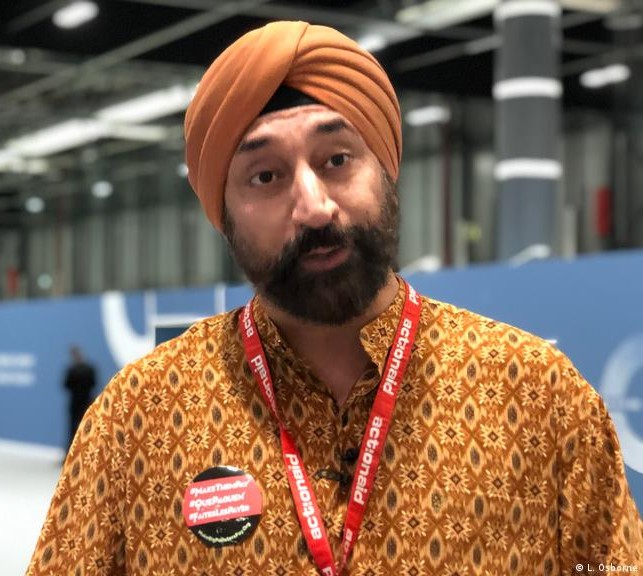
Harjeet Singh is a climate activist and the Founding Director of the Satat Sampada Climate Foundation. He is also Strategic Advisor to the Fossil Fuel Treaty Initiative and the Global Convenor of the “Fill the Fund” campaign.