
A delegation of Indian officials and representatives is visiting Bhutan to discuss with India’s neighbouring country the contentious issues about trans-boundary rivers and hydro-electric projects.
VL Kantha Rao, secretary, department of water resources, river development and Ganga rejuvenation under the ministry of Jal Shakti, is leading an Indian delegation comprising officers from the department and the state governments of Assam and West Bengal; and from WAPCOS Ltd., an Indian government undertaking, to the kingdom of Bhutan from February 24-27 to discuss co-operation on trans-boundary rivers, a ministry of Jal Shakti statement said. Reviewing the ongoing activities of the Punatsangchhu-I Hydroelectric Project, being implemented in Bhutan in partnership with India, is also on the agenda.
At the secretary-level bilateral meeting held on February 25, the two sides reviewed the current mechanisms to ensure bilateral cooperation between India and Bhutan in flood management and flood forecasting. “Further deliberations focused on strengthening and modernising the existing hydro-meteorological observation network in Bhutan on trans-border rivers, improving data-sharing mechanisms for hydro-meteorological and flood forecasting data relating to trans-border rivers, enhancing collaboration in capacity building and technical exchanges, and addressing emerging challenges arising from climate change, glacial lake outburst floods (GLOFs), and extreme weather events,” said the Jal Shakti ministry statement.
Rivers: Assets for the region
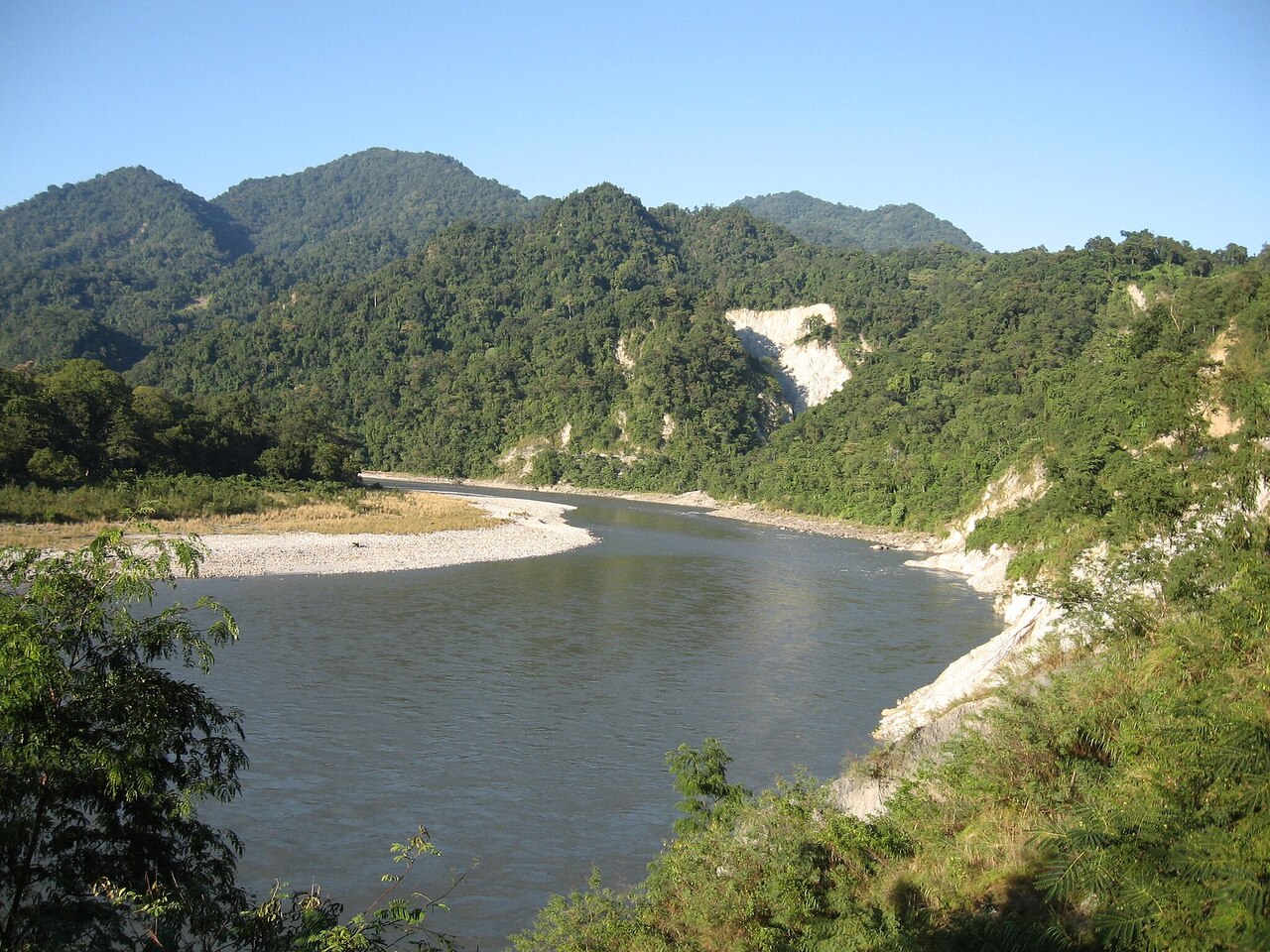
Manas (Drangme Chhu), Sankosh (Puna Tshang Chhu), Torsa (Amo Chhu) and Raidak (Wang Chhu) are among the major transboundary rivers of India and Bhutan. The rivers constitute a source of economic development in the region that is environmentally vulnerable. The Himalayan glaciers are retreating and the region is prone to floods and landslides. The region is experiencing water-related stress in the form of decline in supplies of drinking and agriculture purposes. International co-operation in transboundary water resources management could help in this direction.
Rao paid a courtesy call on H.E. Lyonpo Gem Tshering, minister for energy and natural resources, Bhutan. The Indian secretary visited the Punatsangchhu-I Hydro Electric Project under construction and the recently commissioned Punatsangchhu-II Hydroelectric Project in Bhutan on February 26, during his visit, the statement said. He held meetings with officials of the two Punatsangchhu projects and reviewed their progress. The Indian team members visited the National Center for Hydrology and Meteorology (NCHM), in Thimpu, Bhutan, the 3.5 million litres per day Water Treatment Plant at Chamgang; and the National Center for Hydrology and Meteorology near Wangdue Phodrang Dzong in central Bhutan.
The ministry claimed that the visit reaffirmed the commitment of both countries to sustainable and mutually beneficial management of trans-boundary water resources, flood forecasting and climate resilience in shared river basins. India conveyed its continued support for deepening cooperation in water resources management.
Bone of contention
India-Bhutan river relations, with significant hydropower cooperation, have become increasingly stressed due to climate-induced flash floods, high sedimentation and project delays. While hydropower provides 25 per cent of Bhutan’s revenue, issues regarding debt, environmental impacts and downstream flooding in Assam necessitate a shift toward integrated river basin management.
Critical issues include climate change that has altered river behavior, causing long dry spells followed by sudden, destructive flash floods that carry massive amounts of silt, boulders and sand into India.
Moreover, communities in Assam and north Bengal, particularly along the Sankosh and Manas rivers, face increased flooding and erosion, often blaming activities linked to dam-building in Bhutan.
Significant delays and cost escalations in projects such as Punatsangchhu-I have added to Bhutan’s national debt.