
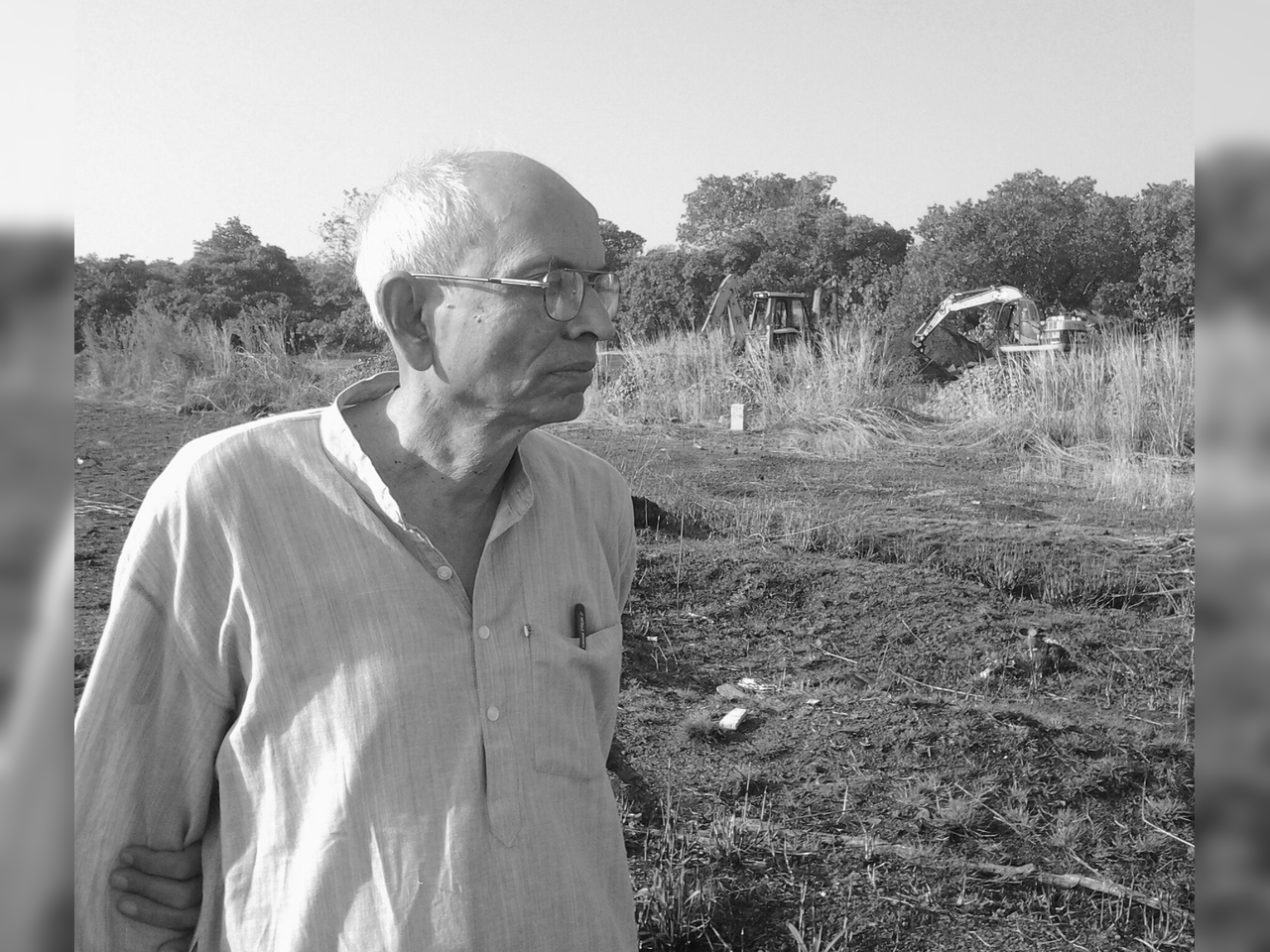
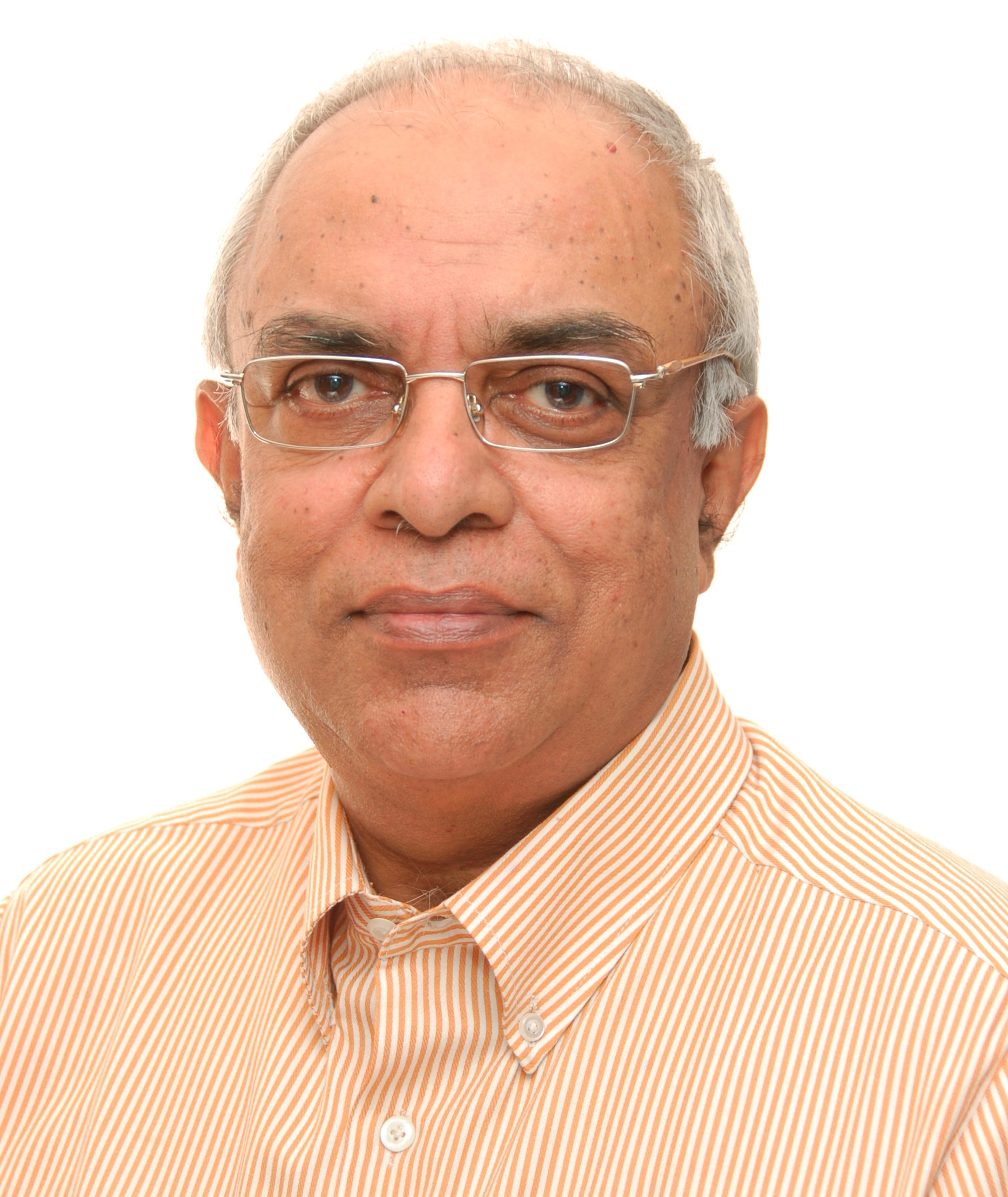
I knew Madhav (Gadgil) very well for more than four and half decades, since 1979, when I was in the Indian Institute of Management (IIM) and he was in the Indian Institute of Science (IISc). As we were both in Bangalore, we were seeing each other very frequently, in meetings or otherwise. When I used to visit IISc where I had many friends, I was meeting him; similarly he used to let me know when he came to IIM for a visit.
Gadgil’s mind was ecologically integrated
At that time there were lots of issues in Karnataka with people protesting against government policies particularly regarding some of the dams in Western Ghats and the need was felt to assess the impact of dams on a long term and broader basis, and in this context I came in touch with Madhav.
We traveled to various dam sites together and I found in Madhav a mind which was ecologically integrated. His ideas about how to use natural resources were not merely talking about holistic knowledge and practice; but he was a person with a perception of practice embedded in sustainability.
Madhav developed the Indian perspective of ecological thinking
I would also rate his contribution very highly in the establishment of the Center for Ecological Sciences at the Indian Institute of Science in Bangalore because, before that there was no concrete institutional base for ecological sciences and Madhav’s leadership led to the establishment of an organization, which is still very functional. The center may not be at the academic height that was obtained during Madhav’s era, but still it is very active and productive.
Madhav’s contribution, not necessarily in Karnataka or Western Ghats but in general, was immense in developing an Indian perspective regarding environmental and ecological thinking as well as scientific policymaking. He has written extensively on that topic.
Ecological, scientific approach was basis of his philosophy on Western Ghats
Coming back to Western Ghats, his works, which the union ministry of environment forests and climate change (MoEFCC) had sponsored, didn’t receive the right type of knowledgeable reaction and was quite a bit pushed aside by the idea of economic growth at all costs; so his report, its scientific status, did not get recognition it deserved.
In India, we have this culture of setting up another committee when the initial committee’s report does not get accepted; and the second committee, often, does not closely see the earlier work and its background. Similarly the second committee did not see the scientific status of Madhav Gadgil’s work.
The status of any work is guided by the philosophy of the person who leads it, and Madhav’s work was based on an ecological, scientific approach. On the contrary, the economic scientific approach dominated the competing philosophies in the case of Western Ghats, and that’s where Madhav’s report came into some amount of disrespect. Many argue that Madhav’s work was too ecological. I disagree. There is nothing like too ecological or too scientific; any scientific report has to be accepted unless it is proven wrong; or, new data comes like the Newtonian approach melting into the Einsteinian mechanics.
The recent disasters in Western Ghats vindicate his position and philosophy. There is always this unique relationship between science and engineering, while the earlier one propels theory, the later pushes practice; and, often they do not match. Same is my experience working in the Himalayas and we have written extensively on this. We need a Himalaya specific policy, Himalaya specific engineering; similarly, one needs a Western Ghats specific policy and Western Ghats specific engineering, and that needs to be an unique exercise and not a copy paste one. Unfortunately that did not happen in Western Ghats despite Madhav rooting for it.
Jayanta Bandyopadhyay is an academic, Himalaya expert and author; a former Professor of the Indian Institute of Management Calcutta, and now a Distinguished Fellow at the Observer Research Foundation, Kolkata. He has spoken about his association with Madhav Gadgil to Jayanta Basu, Editor, The Plurals