

Is this a mere coincidence?
As several reports published at or leading to the Belém global summit highlight how the global fossil fuel-driven operations are on the rise and have reached record proportions, information accessed by this correspondent shows that the number of fossil fuel lobbyists at Parque da Cidade, the COP30 venue, has risen to a record high compared to earlier global climate summits.
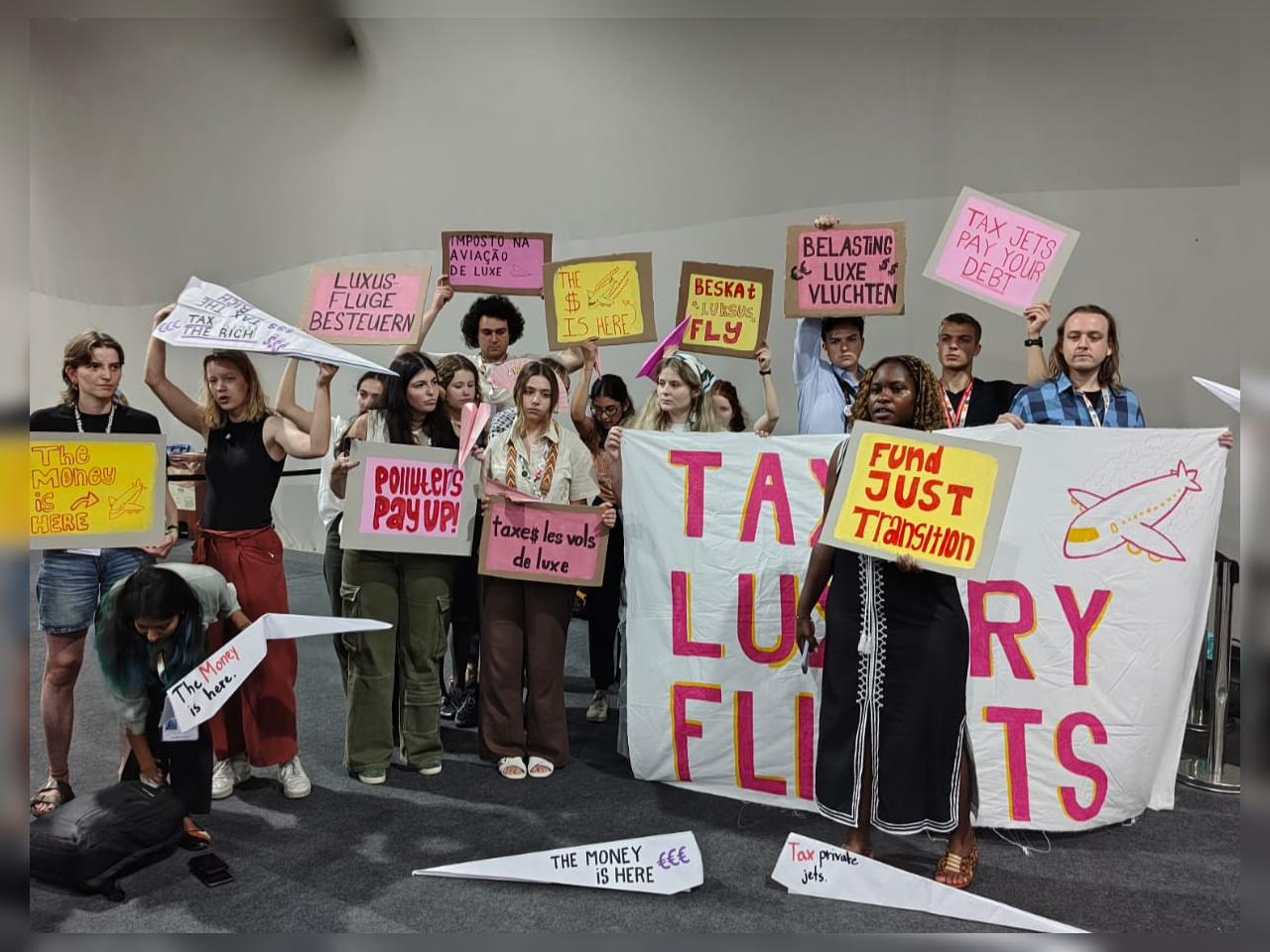
Anti-fossil fuel activists allege that the high presence of oil lobbyists at the negotiation sites, many of them even having access to internal negotiations, is linked with the effort to influence the talks and muffle the voice of the most vulnerable countries.
“New analysis reveals more than 1600 fossil fuel lobbyists have been granted access to the COP30 climate talks in Belém, marking yet another year of overwhelming industry presence at crucial climate negotiations,” Kick Big Polluters Out coalition, a watchdog, said in its statement.
“Proportionally, this is a 12 percent increase from last year’s climate talks in Baku, Azerbaijan, and is the largest concentration of fossil fuel lobbyists at COP since Kick Big Polluters Out started analysing conference attendees,” the analysis further said.
The oil lobby countered that it was influencing the negotiations, claiming that its presence is required for engaging on the issue and finding a long-term just solution.
A United Nations Framework Convention on Climate Change (UNFCCC) representative, when quizzed, pointed out that the global agency has minimal role on attendance as it only clears names sent by governments and observer associations.
One out of every 25 delegates is from oil industry
The analysis reveals that with one in every 25 participants in Belém representing the fossil fuel industry, the fuel lobbyists significantly outnumber almost every country delegation at COP30, with only the host country Brazil, with 3805 delegates, having a greater strength.
“It’s common sense that you cannot solve a problem by giving power to those who caused it. Yet three decades and 30 COPs later, more than 1,500 fossil fuel lobbyists are roaming the climate talks as if they belong here. It is infuriating to watch their influence deepen year after year,” said Jax Bonbon, a member from Kick Big Polluters Out, alleging that the trend is “making a mockery of the process and of the communities suffering its consequences.”
An oil industry official disagreed. “We all understand the global emission status and role of fossil fuel burning in the process, but you cannot solve the problem overnight and it needs a thorough discussion,” the official said, without wanting to be named.
Activists, however, claimed that the oil lobby was present not merely “to discuss the problem, but to influence the negotiations” and pointed again at the strength in which it was present. “Fossil fuel lobbyists outnumber official delegates from the Philippines by nearly 50 to 1, even as the country is reeling under the effect of devastating typhoons at the moment of the UN climate talks. The oil lobby presence is more than 40 times the number of people of Jamaica, which is still to recover from Hurricane Melissa,” an activist pointed out.
Bias alleged in favour of oil lobby
The Kick Big Polluters Out coalition analysed the provisional list of participants at COP30 in detail and claimed that it showed high bias in favour of the oil lobby.
● Fossil fuel lobbyists have received two-thirds more passes to COP30 than all the delegates from the 10 most climate vulnerable nations combined (1061);
● Major trade associations remain a primary vehicle for fossil fuel influence, with the International Emissions Trading Association bringing 60 representatives, including delegates from oil and gas majors;
● Behind-the-scenes access also remains a major channel for influence, with approximately 599 lobbyists gaining access through Party overflow badges that allow the individuals access to the inner workings of the negotiations;
● Several Global North countries included fossil fuel representatives in their official delegations: France brought 22 fossil fuel delegates, with five from TotalEnergies, including CEO Patrick Pouyanné; Japan’s delegation had 33 fossil fuel lobbyists; and Norway has pushed 17 into the talks, including six senior executives;
● Although attendance at COP30 is smaller overall than COP29 in Azerbaijan and COP28 in Dubai, the proportion of fossil fuel lobbyists has increased to nearly 1 in every 25 delegates present in Belém, highest ever.
Fossil fuel emission skyrocketing
The Global Carbon Budget, published in Belém recently, has shown that the global fossil fuel linked emission is still increasing and projected to hit 38.1 billion tonnes, an all-time high, during the current year. The latest projected greenhouse gas volume shows a marginal increase over the last year.
The report also pointed out that India contributes 3.2 billion tonnes of greenhouse gas volume and its rate of emission growth, though still higher than global average, is gradually declining, mainly due to emphasis on solar power production.
The report, prepared by Future Earth and World Climate Research Programme, who conducted the research that included more than 90 other institutions from around the world, finds global carbon emissions from fossil fuels are projected to increase by 1.1 percent in 2025 compared to 2024.
Further, the report claims, that the remaining carbon budget for keeping the global temperature rise within 1.5 degrees Celsius compared to the pre-industrial era benchmark, a Paris mandate, will be exhausted in about four years if emissions continue at current levels.
The report finds that the current volume of global greenhouse gas emissions is about 10 percent higher than 2015, when the Paris Agreement was adopted, observing that the trend is “a clear sign that despite progress, the world is still heading in the wrong direction”.